10 Gentle Core Exercises That Are Safe for Seniors
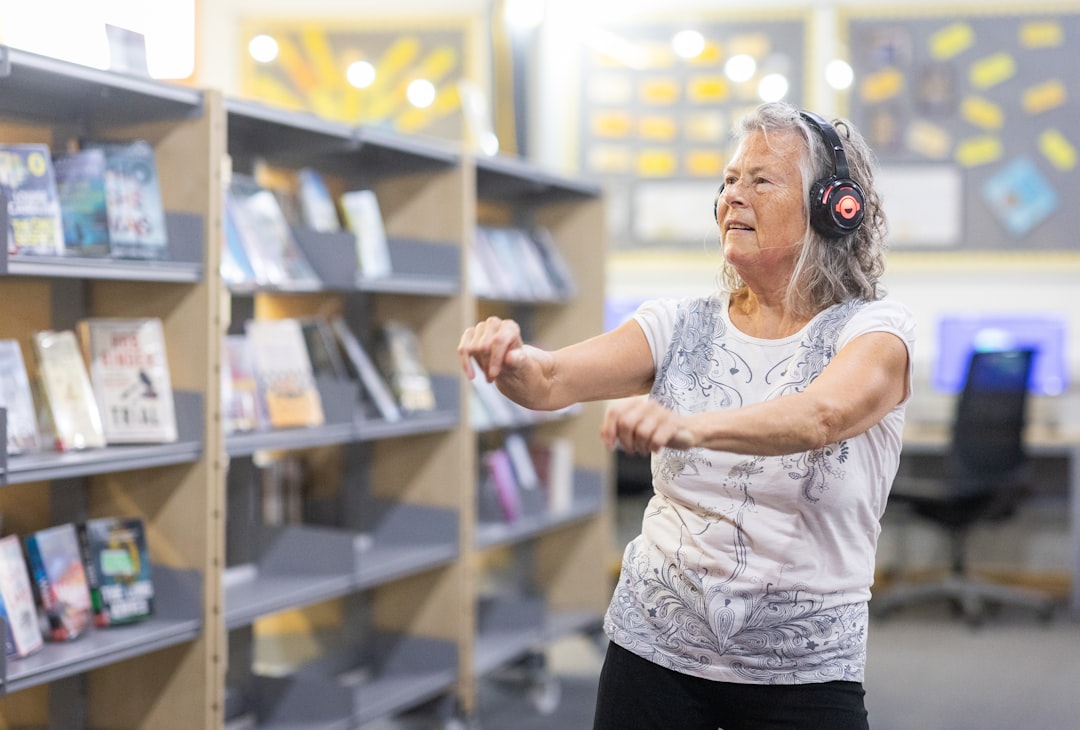
Mention "core exercises" and most women over 60 picture sit-ups. Hundreds of them. On a mat. Groaning.
Here is what helps: sit-ups are not only unnecessary, they're usually the wrong choice. Sit-ups load the spine in a flexed, compressed position, which is specifically contraindicated for women with osteoporosis or a history of back pain. The real core — the deep stabilising muscles that protect the spine, support balance, and keep you upright, is trained much more effectively with exercises that almost nobody calls "core work."
I'm Marischa, and my NASM Personal Trainer and Senior Fitness Specialist work centres on women 60+. Below are ten safe, gentle core exercises I use with my clients. Each includes clear modifications. Work through them over a couple of weeks; pick the five or six that feel best for your body.
What "Core" Actually Means
The core isn't the six-pack muscles you can see. It's the whole cylinder of muscles wrapping your midsection: the deep abdominals (transverse abdominis), pelvic floor, diaphragm, multifidus (tiny spinal stabilisers), obliques, and glutes. This system's job is to stabilise your spine while your limbs move.
A strong core after 60 gives you:
- Better balance and fall resistance
- Less lower-back pain
- Better posture (see our posture exercises guide)
- Easier bending, lifting, reaching
- Better bladder control (yes, really, the pelvic floor is part of the core)
Guidance from the American Heart Association on strength and resistance training consistently links core and resistance training in older adults to lower back-pain scores, better balance, and reduced fall rates.
Before You Start
- Clear with your doctor if you have osteoporosis, spinal issues, recent surgery, or uncontrolled hypertension.
- Move slowly. Quality over quantity.
- Breathe through every exercise. Holding your breath spikes blood pressure.
- If anything creates sharp pain, stop.
Mat or folded blanket optional. A sturdy chair is useful for some moves.
The 10 Exercises
1. Standing Pelvic Tilts
How: Stand with feet hip-width, knees softly bent. Place hands on hips. Gently tilt your pelvis forward (tail under, back flattens slightly), then backward (small arch). Small, slow movements. 10 reps.
Why: Wakes up the deep core and teaches pelvic control, the foundation of everything else.
Modification: Do seated on a sturdy chair if standing is uncomfortable.
2. Seated Marching
How: Sit tall on a sturdy chair, feet flat. Lift your right knee 4–6 inches, lower with control. Then the left. Keep your back straight and chest proud. 10 per side.
Why: Gentle core challenge, perfect for beginners and those with back issues.
Cue: If you feel your lower back doing the work, you're lifting too high. Smaller range = better.
3. Glute Bridge
How: Lie on your back, knees bent, feet flat. Press through your heels and lift your hips until your body forms a straight line from knees to shoulders. Squeeze your glutes. Lower with control. 10 reps.
Why: Strengthens glutes (a crucial part of the core system) without any forward spinal loading. Excellent for women with osteoporosis.
Modification: If floor work is hard, do "seated squeezes" — sit tall and squeeze your glutes for 5 seconds, 10 reps.
4. Bird-Dog
How: On hands and knees. Slowly extend your right arm forward and your left leg back, forming a straight line. Hold 3 seconds. Lower. Switch. 8 per side.
Why: Trains the deep spinal stabilisers to keep the spine still while limbs move; exactly what's needed in real life.
Modification: Hands on a sturdy chair seat if kneeling hurts. Or just lift arm first, then leg, separately.
5. Modified Dead Bug
How: Lie on your back, knees bent at 90 degrees with feet in the air, arms reaching toward the ceiling. Slowly lower your right arm overhead and extend your left leg toward the floor, keeping your lower back pressed into the floor. Return. Switch. 8 per side.
Why: Classic deep-core exercise. Teaches your trunk to stabilise while opposite limbs move.
Modification: Keep feet on the floor, only move arms. Or only move legs. Build up.
6. Wall Plank or Knee Plank
How (wall): Stand 2 feet from a wall. Place palms on wall at shoulder height. Step feet back a bit more, body straight from head to heels. Hold 20–30 seconds.
How (knee): On hands and knees, walk knees back slightly so your body forms a straight line from head to knees. Hold 15–30 seconds.
Why: Whole-body core stabilisation. Wonderful for building endurance in the muscles that keep you upright all day.
Progression: Build from wall plank to knee plank over several weeks.
7. Side-Lying Clam
How: Lie on your side, knees bent, stacked. Keep your feet together and lift the top knee like a clam opening. Slow and controlled. 10 per side.
Why: Hits the gluteus medius, crucial for hip stability, balance, and protecting the knees.
Modification: Do it standing, holding a counter, lifting one leg gently out to the side.
8. Seated Side Bend with Breath
How: Sit tall. Reach your right arm up and over toward the left, inhaling as you lengthen. Exhale as you return. Switch sides. 8 per side.
Why: Trains the obliques through a safe, gentle range. Adds breath awareness, which connects to the diaphragm (part of the core).
9. Heel Slides
How: Lie on your back, knees bent. Slowly slide your right heel out along the floor until your leg is straight, keeping your lower back gently pressed into the floor. Slide back. Switch. 8 per side.
Why: Looks too easy to count. It isn't. You have to engage your deep core to keep your back still as the leg moves.
Modification: Do it seated if floor is uncomfortable, slowly straighten one leg in front of you, flex the foot, return.
10. Standing Balance with Rotation
How: Stand tall, feet hip-width, holding a small weight (or a can of beans) at chest height. Rotate your torso slowly to the right, then left. 10 per side. Keep hips relatively still; the movement comes from the upper trunk.
Why: Functional rotational core strength, the kind you actually use when turning around, reversing the car, or reaching.
Modification: No weight, just arms. Or do it seated.
Putting It Together
A gentle 10-minute core routine, 2–3 times a week:
- Standing pelvic tilts — 10
- Seated marching: 10 per side
- Glute bridge: 10
- Bird-dog — 8 per side
- Wall plank or knee plank: 20–30 seconds, 2 rounds
- Side-lying clam: 10 per side
- Seated side bend — 8 per side
- Standing balance with rotation: 10 per side
That's plenty. Done twice a week consistently, you'll notice real change in 4–6 weeks.
What About Crunches and Sit-Ups?
Honest answer: for most women over 60, skip them. Especially if you have any osteoporosis risk. The Bone Health and Osteoporosis Foundation specifically lists loaded spinal flexion as a movement to avoid.
The exercises above train the core more effectively and more safely. If someone at your gym insists crunches are "essential core work," they're 20 years behind the evidence.
Pelvic Floor Is Part of the Core
While we're on the topic, pelvic floor exercises (Kegels) are genuine core training and matter hugely for women over 60. Guidance from the American Heart Association and from Harvard Health both highlight their role in bladder control, sexual health, and whole-core function. Do 10 slow pelvic-floor contractions twice a day.
If you have stress incontinence, a women's-health physio can transform things in a few sessions. Don't suffer through it.
My Opinionated Take
Core training after 60 is one of the most misunderstood areas of senior fitness. Done the old-fashioned way (crunches, sit-ups), it often causes the problems it's meant to fix. Done the modern way — deep stabilisers, gentle loading, real-world patterns. It transforms back pain, balance, and posture.
Start tomorrow. Pick five of the exercises above. Do them after your morning tea. Ten minutes.
For a video-led version, our exercise guide has a gentle core track, or sign up for free to save your routines. Your back is listening. Give it the right message.