How Much Water Do Women Over 60 Really Need?
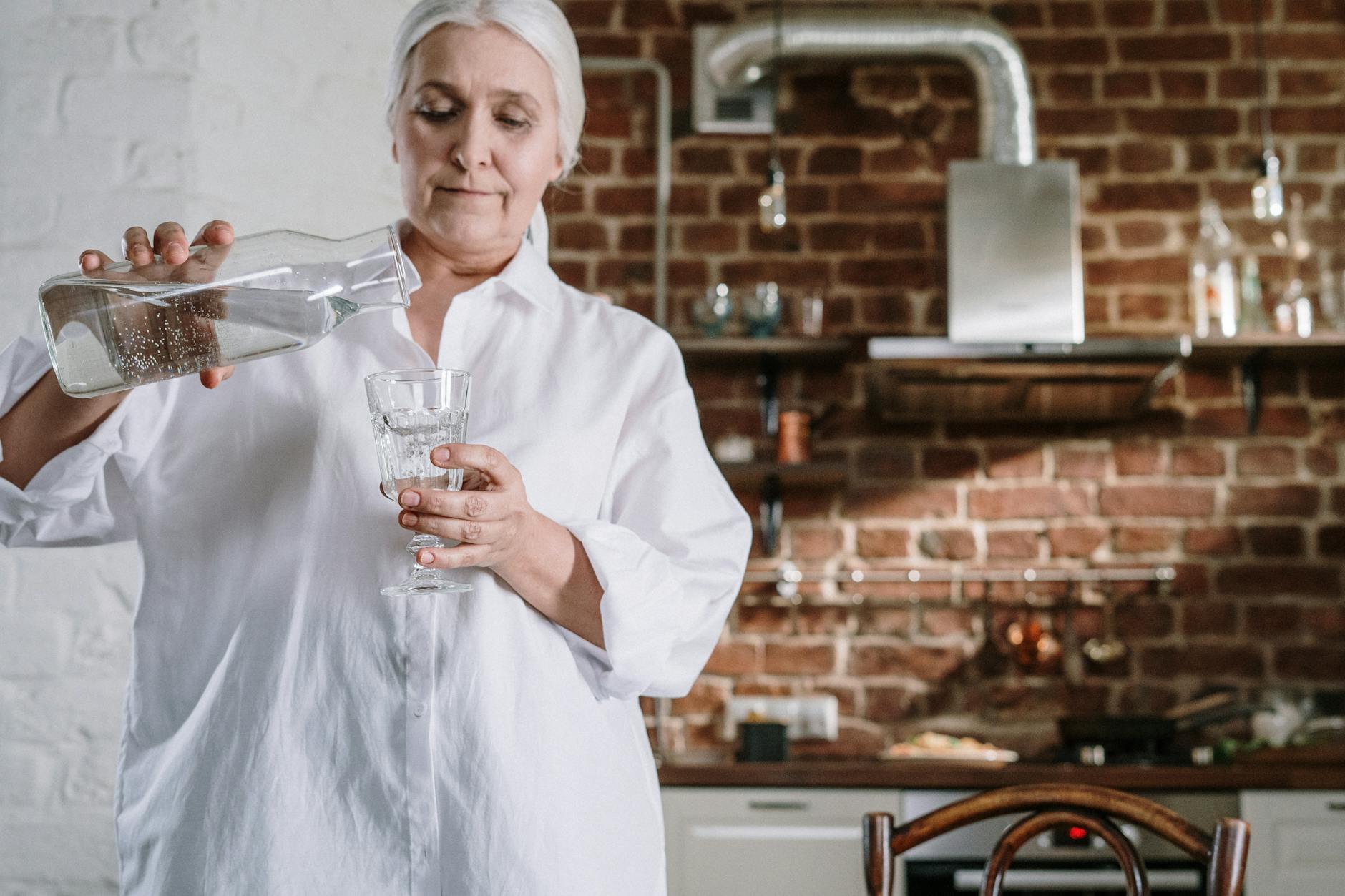
Most of us know we should drink more water. Far fewer of us know that the body's thirst signal becomes a noticeably less reliable messenger after about the age of sixty. By the time you feel genuinely thirsty in your seventies, your hydration is often already lagging behind. That is not a guilt-trip. It is a small, useful piece of physiology that, once you know it, makes hydration a lot easier to manage.
I'm Marischa, a NASM-certified personal trainer who specialises in working with women over sixty. I am not a dietitian, and the numbers I quote below come from clinical guidance, not from my own opinions. Hydration is one of those topics where simple, calm advice usually beats elaborate rules, and that is what I am aiming for here.
What the Body Is Doing Differently After 60
A few things change with age that are relevant to fluids.
- Thirst response weakens. The hypothalamic signal that says 'drink' becomes quieter, and many older adults can be mildly dehydrated for hours before the body asks for water. The research summarised by hydration scientists covers this well, with citations to the underlying physiology research.
- Total body water drops. A woman in her sixties typically carries less water as a fraction of body weight than she did in her thirties, which means there is less buffer when fluid intake is low.
- Kidney concentrating ability declines slightly. This is normal and not a disease, but it means the kidneys hold on to water a little less efficiently than they used to.
- Common medications nudge fluid balance. Diuretics for blood pressure, certain heart medications, some laxatives, and even a few antihistamines all increase water loss.
The upshot is not alarming, just a small recalibration: drinking by clock and habit, rather than by thirst alone, suits us better after sixty.
How Much Should You Actually Drink?
This is the question I get the most, and the honest answer is that the often-quoted '8 glasses a day' is more folklore than science. The most credible figure I am aware of comes from the European Food Safety Authority, summarised on the British Nutrition Foundation hydration page. They suggest around 1.6 litres of fluid per day for women, on average, with more in hot weather or when exercising.
A few practical caveats from working with real human beings rather than spreadsheets:
- That figure is total fluids, not only water. Tea, coffee in moderation, milk, soup, fruit, and vegetables all contribute.
- It is an average. A small woman with a quiet day at home needs less. A taller woman walking in the garden in summer needs more.
- It is daily intake, but daily over a week is what matters. One light day is fine. A pattern of daily under-drinking is what causes problems.
If you would like a more clinical breakdown, the NHS overview of dehydration explains the warning signs in plain English and is worth bookmarking.
Signs of Mild Dehydration That Hide in Plain Sight
The textbook signs of dehydration (dry mouth, dark urine, dizziness) are real and worth knowing. But the women I coach often discover that mild dehydration was masquerading as something else entirely. A few of the more common ones:
- Afternoon fatigue and a fuzzy head. Often labelled 'just my age', it can lift dramatically when fluid intake goes up by a couple of glasses a day.
- Constipation that feels stubborn. Fibre alone cannot fix things if there is not enough water in the system to work with it.
- Headaches that arrive in late morning or early evening. Especially if you wake without one.
- Muscle cramps at night. Magnesium gets the blame, but plain water often deserves more credit than it gets.
- A slight dip in balance and a feeling of unsteadiness. Mild dehydration can affect blood pressure regulation when you stand up.
None of these are diagnostic on their own. But as a casual home test, ask yourself: have I had three drinks today by 11 AM? If the answer is no, that is often a good place to start.
A Simple Hydration Pattern That Works
I offer my clients a pattern, not a rule. Pick a version that fits your life rather than fighting your habits.
- First glass on waking. Beside the kettle, before tea, while the toast goes on. The body has lost fluid overnight and absorbs water beautifully on an empty stomach.
- Mid-morning glass. With your usual mid-morning break.
- A glass with lunch. Water, soup, or a soft drink. Coffee counts in moderation; despite older lore, moderate caffeine intake does not significantly dehydrate healthy adults.
- Mid-afternoon glass. This is often the one missing. Set a small jug on the kitchen counter and aim to finish it by 5 PM.
- A glass with the evening meal.
- A small glass two hours before bed. Not too late, otherwise sleep suffers.
That pattern lands most people comfortably between 1.5 and 2 litres of fluid, depending on the size of the glass and what else they eat or drink during the day. The NHS guidance on water and other drinks is consistent with this kind of routine.
What About Exercise and Hot Weather?
If you walk for thirty minutes, you do not need a sports drink. You need an extra glass of water before and another afterwards. For an active woman in her sixties doing the kind of programme I write for, a sensible add-on for an hour of moderate movement is roughly 300 to 500 millilitres of fluid spread across before, during, and after.
In hot weather, the rules of thumb shift in obvious ways: more frequent sips, more salty foods if you have been sweating heavily, and a bit of caution with very strong tea or coffee in the heat. We will go into this in more detail later in the year in a dedicated piece on exercising in summer heat after 60.
If you take diuretic medication for blood pressure, please do not change your fluid intake significantly without speaking to your GP. The interaction is real and not always intuitive.
What I Tell Clients About Sports Drinks, Coconut Water, and Electrolytes
For most women over sixty doing daily life and gentle exercise, plain water plus a normal diet covers electrolytes more than adequately. Sports drinks are designed for athletes losing 1.5 litres of sweat in a session, which is not what we are doing. Coconut water is fine if you enjoy it, but it has more sugar than people realise. Electrolyte sachets are useful in two specific situations: a stomach bug with diarrhoea, and very hot weather with heavy sweating. The NHS Inform piece on rehydration covers the stomach-bug scenario well.
For everything else, water is plenty.
When Hydration Becomes a Medical Conversation
A few situations are worth flagging to a GP rather than handling at home:
- A persistent feeling of thirst that does not settle with regular drinking can occasionally signal undiagnosed diabetes.
- Confusion or unusual sleepiness in an older relative, especially in hot weather, can be a sign of more significant dehydration.
- A rapid heart rate when standing up, with dizziness, may be related to fluid balance and is worth investigating.
- Sudden weight loss of more than a kilogram in a day is almost always fluid loss, and warrants a check-in.
These are not common, but they are worth knowing.
A Quiet Closing Thought
Hydration is one of those topics where the women I have coached sometimes roll their eyes a little. They have heard 'drink more water' from every magazine since the 1980s. I understand the fatigue. The angle I ask them to consider is slightly different: after sixty, hydration becomes less a nagging health rule and more a quiet daily kindness to a body that no longer pings you the way it once did. A glass on waking, a jug on the counter, a small habit of finishing your drink before clearing the table. That is the whole job, repeated. It is not glamorous. It does, however, make almost everything else (your energy, your balance, your muscles, your skin) work a little better.
If you want to give your routine a useful nudge, pair this small change with a daily walk. We have a calm walk-by-walk piece on what thirty minutes of walking a day actually does for your health that pairs nicely with the hydration habits above.