Strength Training After 60: Everything You Need to Know
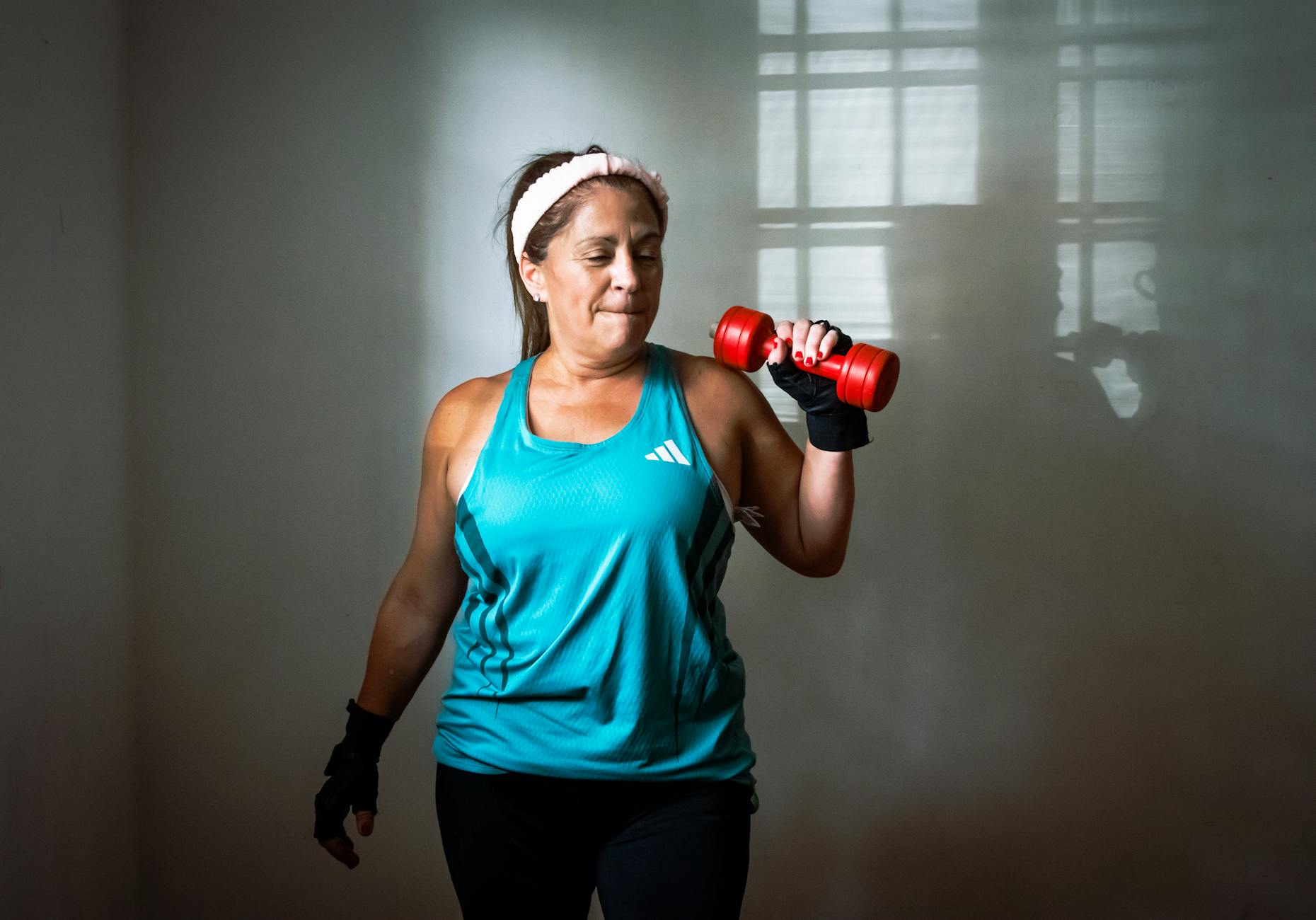
Strength Training After 60: Everything You Need to Know
There's a persistent myth that strength training is only for young people. Nothing could be further from the truth. In fact, strength training becomes more important as we age, not less.
I'm Marischa from FitnessType, and I want to start this article with a bold statement: if you could only do one type of exercise for the rest of your life, strength training should be it. Walking is wonderful, balance work is essential, but strength training is the single most practical tool we have for maintaining independence, preventing falls, and staying healthy well into our 70s, 80s, and beyond.
Why Muscle Matters More Than Ever
After age 30, we lose approximately 3-8% of our muscle mass per decade — a process called sarcopenia. After 60, this loss accelerates. But here's the supporting truth: this process is largely reversible with resistance training.
A groundbreaking study published in Medicine & Science in Sports & Exercise showed that adults aged 65-75 who did strength training twice a week for 12 weeks increased their muscle strength by an average of 25-30% (Peterson et al., 2010). That's not a small improvement. That's a life-changing transformation.
Muscle loss doesn't just affect how you look. It impacts nearly every aspect of daily life:
- Getting out of a chair requires quadricep and glute strength
- Climbing stairs relies on leg and hip muscles
- Carrying shopping bags demands arm and grip strength
- Maintaining posture depends on back and core muscles
- Preventing falls requires strong legs and a stable core
Helpfully, muscle responds to training at any age. A famous study published in the New England Journal of Medicine demonstrated that even nursing home residents in their 90s increased muscle strength by 174% after just 8 weeks of resistance training (Fiatarone et al., 1994). Your muscles are never too old to get stronger.
The Benefits Beyond Muscle
Strength training does far more than build muscle. The benefits cascade through virtually every system in your body:
- Bone Density: Resistance training stimulates bone formation. The Journal of Bone and Mineral Research found that women who did strength training had significantly higher bone density than those who did only cardio. This may help support bone health and reduce fracture risk over time. The mechanical stress that strength training places on bones triggers them to become denser and stronger.
- Joint Protection: Stronger muscles provide better support for your joints, reducing pain and stiffness from conditions like arthritis. Think of muscles as shock absorbers, the stronger they are, the less impact your joints endure during daily activities.
- Metabolic Health: Muscle tissue burns more calories at rest than fat tissue. Building muscle helps maintain a healthy weight and improves insulin sensitivity. Research in Diabetes Care found that strength training improved blood sugar control in older adults with Type 2 diabetes as effectively as some medications (Dunstan et al., 2002).
- Independence: The ability to carry shopping bags, open jars, get up from a chair, and climb stairs all depend on muscle strength. Maintaining this strength is the key to living independently for as long as possible.
- Heart Health: Strength training lowers blood pressure, improves cholesterol levels, and reduces resting heart rate. A meta-analysis in Hypertension found that resistance training reduced blood pressure by an average of 5-6 mmHg (MacDonald et al., 2016).
- Mental Sharpness: A study in the Journal of the American Geriatrics Society found that older women who did strength training once or twice a week improved their cognitive function by 10-12% over 12 months (Liu-Ambrose et al., 2010).
- Mood and Confidence: There's something deeply supporting about feeling strong. Many of my FitnessType members tell me that strength training has improved their confidence more than any other type of exercise.
Understanding How Strength Training Works
When you lift a weight (or use your body weight as resistance), you create tiny micro-tears in your muscle fibres. This sounds alarming, but it's completely normal and healthy. During the 24-48 hours after your workout, your body repairs these fibres, making them slightly thicker and stronger than before. This is called muscle adaptation, and it's why rest days between sessions are so important.
The key principles of effective strength training are:
- Progressive overload: Gradually increase the challenge over time (more weight, more repetitions, or slower movements)
- Consistency: Regular sessions produce cumulative benefits
- Adequate recovery: Muscles grow stronger during rest, not during exercise
- Proper form: Correct technique maximises results and minimises injury risk
Getting Started Safely
Equipment
You don't need a gym. A pair of light dumbbells (1-3 kg to start) is all you need. Even water bottles work as improvised weights!
As you progress, you might consider adding:
- Resistance bands — versatile, lightweight, and perfect for travel
- A sturdy chair, for seated exercises and balance support
- A yoga mat, for floor exercises (optional but comfortable)
- Heavier dumbbells — when your starter weights feel too easy (typically after 4-8 weeks)
Key Principles
- Start light. It's always better to start too easy than too hard
- Focus on form, proper technique prevents injury and maximises results
- Progress slowly — increase weight only when current exercises feel comfortable
- Rest between sessions, muscles need 48 hours to recover and grow stronger
- Breathe properly, exhale during the effort phase, inhale during the release
- Warm up first — 3-5 minutes of marching or gentle movement prepares your muscles
Best Exercises for Beginners
Here is a complete beginner-friendly routine targeting all major muscle groups:
Upper Body:
- Standing bicep curls: arms (front)
- Overhead press: shoulders
- Wall push-ups — chest and triceps
- Standing rows: back and rear shoulders
Lower Body:
- Chair squats: legs and glutes
- Standing calf raises — calves
- Side leg raises: hip abductors
- Standing leg curls: hamstrings
Core:
- Standing march with knee lift — lower abdominals
- Standing side bends: obliques
- Wall plank: full core stabilisation
Marischa's Tip: When I design strength workouts for FitnessType, I always include a mix of upper body, lower body, and core exercises. This gives each muscle group time to recover while you work the others. It also keeps the workout interesting — variety is your friend!
Sample Weekly Schedule
Here's a realistic and effective weekly plan:
Monday: Upper Body (20 minutes)
- Bicep curls: 2 sets of 10
- Overhead press: 2 sets of 10
- Wall push-ups: 2 sets of 8
- Standing rows: 2 sets of 10
Wednesday: Lower Body (20 minutes)
- Chair squats: 2 sets of 10
- Calf raises: 2 sets of 12
- Side leg raises: 2 sets of 10 each side
- Standing leg curls: 2 sets of 10 each side
Friday — Full Body & Core (20 minutes)
- Chair squats: 1 set of 10
- Bicep curls: 1 set of 10
- Standing march: 1 minute
- Wall push-ups: 1 set of 8
- Side bends: 1 set of 10 each side
- Standing rows: 1 set of 10
How Often Should You Train?
The American College of Sports Medicine recommends strength training 2-3 times per week, with at least one day of rest between sessions. Each session can be as short as 20 minutes and still deliver significant results.
Research shows that training each muscle group twice per week is optimal for muscle growth and strength gains in older adults. Helpfully, you don't need long sessions, a focused 20-minute workout hitting the right muscles with the right intensity is far more effective than an hour of unfocused activity.
Tracking Your Progress
Keeping a simple log of your workouts helps you stay motivated and ensures you're progressing. Track:
- Which exercises you did
- How many sets and repetitions you completed
- What weight you used
- How it felt (easy, moderate, challenging)
When an exercise feels "easy" for two consecutive sessions, it's time to progress, either by adding a small amount of weight, doing more repetitions, or slowing down the movement.
Common Concerns Addressed
"I'm worried about hurting myself"
Strength training, when done with proper form and appropriate weights, is generally considered low-risk for older adults. A review in the British Journal of Sports Medicine found that the injury rate for supervised strength training in older adults was less than 1 per 1,000 training hours (Liu & Latham, 2009). Start with bodyweight or very light weights and build from there. If in doubt, consider a few sessions with a qualified personal trainer or physiotherapist.
"I don't want to get bulky"
This is a common myth. Women over 60 do not produce enough testosterone to build bulky muscles. What you will get is a toned, strong, and functional body. The changes you'll notice are: clothes fitting better, arms looking more defined, and feeling more capable in everyday life.
"Is it too late to start?"
Absolutely not! Research shows significant strength gains in people who start resistance training in their 70s, 80s, and even 90s. A study in the Journal of Applied Physiology found that previously sedentary adults aged 65-79 who began strength training achieved similar relative strength gains to younger adults (Lemmer et al., 2000). Your starting point doesn't matter — what matters is that you start.
"How much weight should I use?"
Start with the lightest weight available, even 0.5 kg or 1 kg. The right weight is one that feels challenging by the last 2-3 repetitions of a set, but doesn't cause you to sacrifice proper form. It's always better to err on the side of too light. You can always increase weight next session.
"What if I'm sore the next day?"
Mild muscle soreness 24-48 hours after a new exercise is completely normal. It's called DOMS (Delayed Onset Muscle Soreness) and it means your muscles are adapting. It should feel like a gentle ache, not sharp pain. Light movement (like walking) on sore days actually helps recovery. Severe or persistent pain is not normal and should be discussed with a healthcare provider.
Frequently Asked Questions
"Can I do strength training if I have osteoporosis?"
Yes — in fact, it's highly recommended! Strength training is among the interventions most consistently associated with improvements in bone density in older adults. The National Osteoporosis Foundation specifically recommends resistance training as part of an osteoporosis management plan. However, avoid heavy spinal loading (like barbell back squats) and high-impact movements. Focus on standing exercises with light weights and bodyweight movements.
"Should I do cardio or strength training?"
Both! They complement each other beautifully. Cardio (like walking) strengthens your heart and improves endurance. Strength training builds muscle, protects bones, and improves functional capacity. The ideal programme includes both. If you're pressed for time, strength training 2-3 times per week with walking on the other days is an excellent combination.
"How long until I notice results?"
You'll feel the difference (more energy, better posture, increased confidence) within 2-3 weeks. Visible changes typically appear after 6-8 weeks of consistent training. Measurable improvements in bone density and metabolic markers usually show on medical tests after 3-6 months.
"Can I do strength training every day?"
It's best to allow 48 hours between sessions that target the same muscle groups. This rest period is when your muscles actually grow stronger. You can exercise daily by alternating, for example, upper body on Monday, lower body on Tuesday, rest or walking on Wednesday, and so on.
Your Action Plan: Getting Started This Week
- Gather your equipment: Two water bottles or light dumbbells (1-2 kg) and a sturdy chair
- Choose two days: Schedule your first two strength sessions, ideally with a rest day between them
- Start with the beginner routine above: Focus on form, not weight. Do each exercise slowly and mindfully
- Keep a simple log: Write down what you did and how it felt
- Watch a guided workout: Our FitnessType YouTube channel has beginner-friendly strength workouts you can follow along with step by step
- Be patient and kind to yourself: Progress is progress, no matter how small
Remember, every repetition is an investment in your future independence and quality of life. You are never too old to start, and the best time to begin is today.
References
- Peterson, M.D., et al. (2010). Resistance exercise for muscular strength in older adults. Medicine & Science in Sports & Exercise, 42(5), 902-914.
- Fiatarone, M.A., et al. (1994). Exercise training and nutritional supplementation for physical frailty in very elderly people. New England Journal of Medicine, 330(25), 1769-1775.
- Watson, S.L., et al. (2018). High-intensity resistance and impact training in postmenopausal women. Journal of Bone and Mineral Research, 33(2), 211-220.
- Dunstan, D.W., et al. (2002). High-intensity resistance training improves glycemic control in older patients with Type 2 diabetes. Diabetes Care, 25(10), 1729-1736.
- MacDonald, H.V., et al. (2016). Dynamic resistance training as stand-alone antihypertensive lifestyle therapy. Hypertension, 67(5), 954-960.
- Liu-Ambrose, T., et al. (2010). Resistance training and executive functions. Journal of the American Geriatrics Society, 58(10), 1887-1893.
- Liu, C.J. & Latham, N.K. (2009). Progressive resistance strength training for improving physical function in older adults. Cochrane Database of Systematic Reviews, 3.
- Lemmer, J.T., et al. (2000). Age and gender responses to strength training and detraining. Journal of Applied Physiology, 89(5), 1845-1853.
- American College of Sports Medicine. (2023). Exercise Guidelines for Older Adults. www.acsm.org