Why Low-Impact Exercise Matters for Older Adults
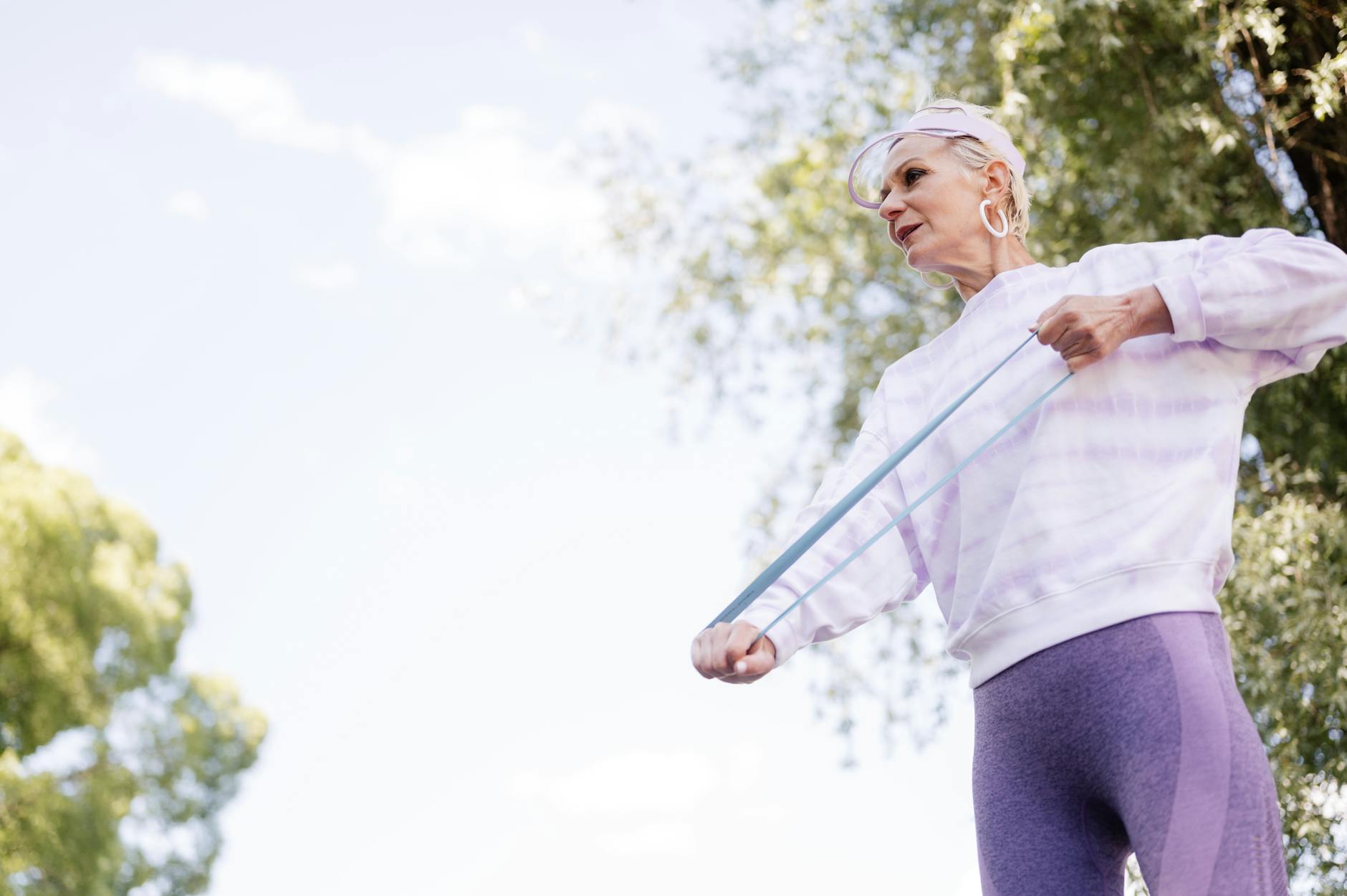
Why Low-Impact Exercise Is Your Best Friend After 60
As we age, our bodies change — but that doesn't mean we should stop moving. In fact, regular exercise becomes more important than ever after 60. What matters is choosing the right kind of movement: one that challenges you enough to make a difference, yet respects the joints, ligaments, and tendons that have carried you through decades of life.
I'm Marischa from FitnessType, and every day I hear from women who thought their active years were behind them, only to discover that the right type of exercise made them feel better at 65 than they did at 50. The secret? Low-impact movement.
What Is Low-Impact Exercise?
Low-impact exercise means at least one foot stays on the ground at all times. Think walking, swimming, cycling, and standing strength exercises. Unlike running or jumping, these movements are gentle on your joints, tendons, and ligaments while still delivering powerful health benefits.
Common examples include:
- Walking (outdoors or indoors)
- Swimming and water aerobics
- Cycling (stationary or outdoor)
- Chair exercises and seated workouts
- Standing strength routines with light weights
- Yoga and Pilates (modified for comfort)
- Tai Chi (excellent for balance and flexibility)
what's good about low-impact exercise is its versatility. It works for women recovering from surgery, managing arthritis, or simply looking for a sustainable routine, and there's an option that fits your life.
The Science-Backed Benefits
Research consistently shows that low-impact exercise offers remarkable benefits for older adults:
- Joint Health: A study published in the Journal of Aging and Physical Activity suggested that regular low-impact exercise may reduce joint stiffness by up to around 25% in adults over 60 (Hughes et al., 2004). The synovial fluid in your joints, the natural lubricant, is stimulated by gentle movement, which can help keep joints supple and comfortable.
- Bone Density: Weight-bearing low-impact exercises like walking help maintain bone density, reducing the risk of osteoporosis. The National Osteoporosis Foundation recommends 30 minutes of weight-bearing exercise most days of the week. A study in the Journal of Bone and Mineral Research found that women who performed regular weight-bearing exercise had 1-3% higher bone density in the hip and spine compared to sedentary controls (Howe et al., 2011).
- Heart Health: The American Heart Association notes that around 150 minutes of moderate exercise per week (such as brisk walking) is associated with a meaningful reduction in heart disease risk, with some studies reporting reductions of up to roughly 30%. Your heart is a muscle, and like any muscle, it tends to get stronger with use.
- Mental Wellbeing: Exercise releases endorphins, your body's natural mood boosters. A Harvard Medical School review reported that regular physical activity is associated with around a 26% lower risk of depression in some populations. Even a single session of gentle movement can raise your mood for hours afterward.
- Cognitive Function: The Journal of Alzheimer's Disease has published findings suggesting that regular moderate exercise may be associated with a meaningfully lower risk of cognitive decline, with some analyses reporting reductions of up to around 38% (Hamer & Chida, 2009). Movement literally helps grow new brain cells through a process called neurogenesis.
- Sleep Quality: A meta-analysis in Sleep Medicine Reviews reported that regular low-impact exercise was associated with meaningful improvements in self-reported sleep quality in adults over 55, with some studies showing improvements of around 65% on subjective sleep scales (Kredlow et al., 2015). Better sleep means better recovery, sharper thinking, and improved mood.
Why It Works So Well After 60
Your body is remarkably adaptable at any age. Low-impact exercise allows you to:
- Build strength gradually without risking injury
- Improve balance which helps prevent falls, the leading cause of injury in older adults
- Maintain independence by keeping muscles and joints functional
- Stay social through group classes or workout communities
- Manage chronic conditions like diabetes, high blood pressure, and arthritis
- Support your immune system — research suggests that regular moderate exercisers tend to experience fewer upper-respiratory infections than sedentary peers
Marischa's Tip: I always tell my FitnessType community. Your body doesn't have an expiry date for fitness. I've seen women in their 70s do things they couldn't do in their 50s, simply because they found the right kind of movement and stuck with it.
Low-Impact vs. High-Impact: Understanding the Difference
Many women worry that low-impact means low results. Let me put that myth to rest:
| Factor | Low-Impact | High-Impact |
|--------|-----------|-------------|
| Joint stress | Minimal | Significant |
| Injury risk | Very low | Moderate to high |
| Calorie burn | Moderate | High |
| Sustainability | Excellent | Often declines with age |
| Recovery time | Short | Longer |
The truth is, consistency trumps intensity every time. A low-impact routine you do five days a week will always outperform a high-impact workout you abandon after two weeks because your knees hurt.
Getting Started: Your First Two Weeks
The best exercise is the one you actually do. Here's a simple plan to get you moving:
Week 1: Foundation
- Day 1-2: Walk for 10 minutes (indoors or outdoors)
- Day 3: Rest or gentle stretching
- Day 4-5: Walk for 12 minutes, add arm movements
- Day 6: Try a 10-minute standing exercise video
- Day 7: Rest
Week 2: Building
- Day 1-2: Walk for 15 minutes
- Day 3: Standing strength exercises (10 minutes)
- Day 4-5: Walk for 15 minutes with varied pace
- Day 6: Balance and flexibility routine (10 minutes)
- Day 7: Rest
Tip: Consistency matters more than intensity. Three 20-minute sessions per week will give you more results than one exhausting hour. Write your exercise time in your diary like any other appointment, because it's the most important appointment you'll keep all week.
Frequently Asked Questions
"Is low-impact exercise enough to actually make a difference?"
Absolutely. Research from the American College of Sports Medicine shows that moderate-intensity low-impact exercise provides 80-90% of the cardiovascular benefits of high-impact exercise, with a fraction of the injury risk. What matters is consistency and gradually increasing your duration and effort over time.
"I have arthritis — can I still exercise?"
Yes, and you should! The Arthritis Foundation actively recommends low-impact exercise as one of the best treatments for arthritis. Movement keeps joints lubricated, strengthens the muscles that support them, and reduces overall pain. Start gently and listen to your body.
"How quickly will I see results?"
Most women notice improved energy and mood within the first week. Physical changes like better balance and increased stamina typically appear within 3-4 weeks. Measurable improvements in bone density and cardiovascular health usually show on medical tests after 3-6 months.
"Do I need any special equipment?"
Not at all. You can start with nothing more than a supportive pair of shoes and a sturdy chair for balance support. As you progress, light dumbbells (1-2 kg) and a resistance band can add variety, but they're never required.
"What if I miss a day?"
Missing a day is perfectly normal. It's not a failure, it's life. The important thing is to get back to your routine the next day. Fitness is built over months and years, not single sessions. One missed day changes nothing; giving up changes everything.
Your Action Plan
Here are five concrete steps you can take right now:
- Schedule three 15-minute exercise slots in your calendar for this week
- Choose your space, clear a small area in your living room where you can move comfortably
- Find a workout to follow — our FitnessType YouTube channel has dozens of free low-impact workouts designed specifically for women over 60
- Tell someone about your plan, accountability makes you 65% more likely to follow through (according to the American Society of Training and Development)
- Set a realistic 4-week goal, perhaps "I will complete 12 workout sessions this month"
References
- Hughes, S.L., et al. (2004). Impact of low-impact exercise on joint health. Journal of Aging and Physical Activity, 12(2), 143-157.
- Howe, T.E., et al. (2011). Exercise for preventing and treating osteoporosis in postmenopausal women. Cochrane Database of Systematic Reviews, 7.
- Hamer, M. & Chida, Y. (2009). Physical activity and risk of neurodegenerative disease. Journal of Alzheimer's Disease, 18(1), 185-193.
- Kredlow, M.A., et al. (2015). The effects of physical activity on sleep. Sleep Medicine Reviews, 18(5), 427-436.
- National Osteoporosis Foundation. (2023). Exercise for Strong Bones. www.nof.org
- American Heart Association. (2024). Physical Activity Guidelines. www.heart.org
- Chekroud, S.R., et al. (2018). Association between physical exercise and mental health. The Lancet Psychiatry, 5(9), 739-746.