Exercising Safely in Summer Heat After 60
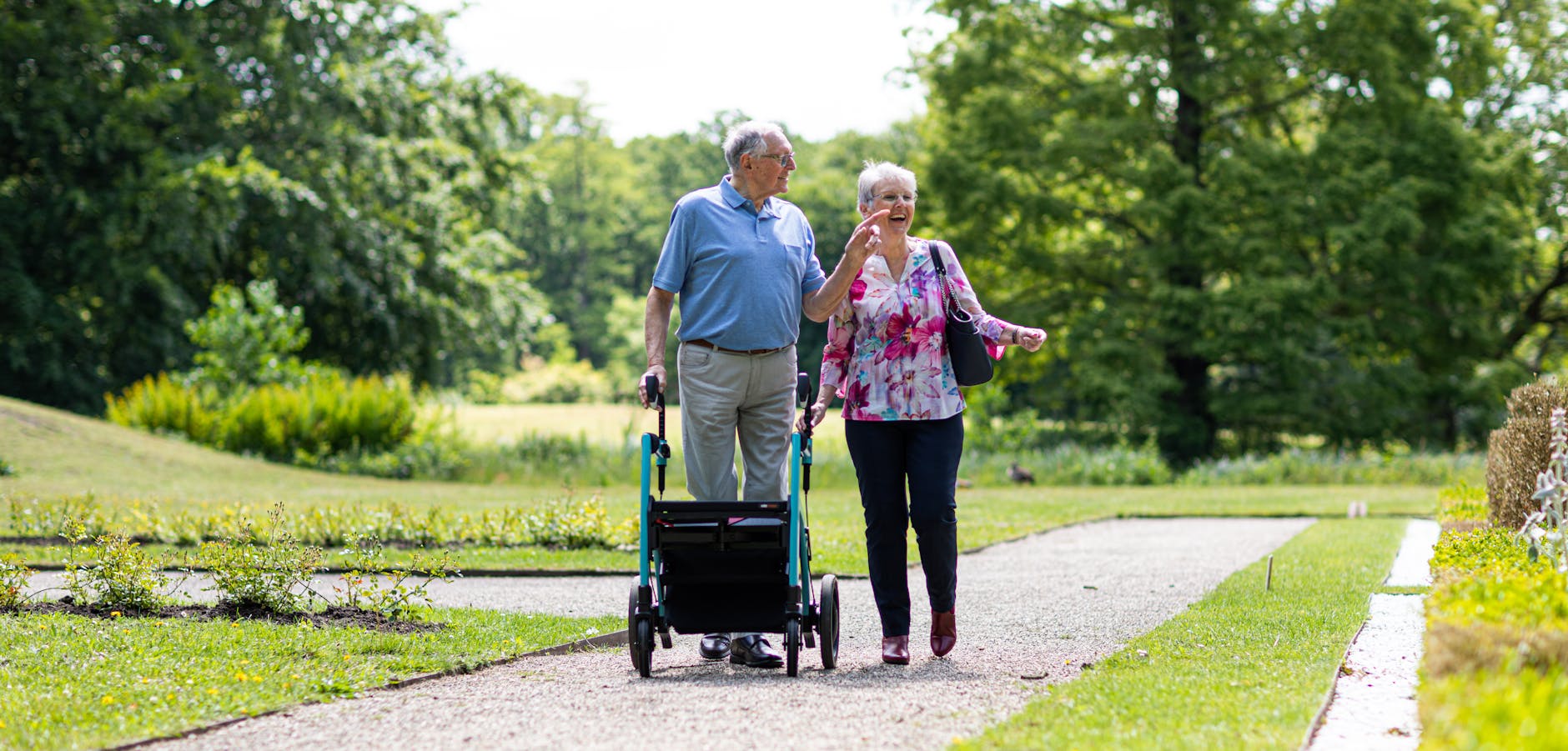
If you have ever stepped outside on a 30-degree afternoon and felt your usual lunchtime walk turn into something altogether more serious, you are not imagining it. The body's thermoregulation system gets noticeably less efficient with age, and women over 60 lose heat through the skin a little less effectively than they did in their thirties. Add a slightly weaker thirst signal (covered in our recent post on how much water women over 60 actually need) and a few common medications, and a hot summer day asks more from us than it used to.
I'm Marischa, a NASM-certified personal trainer who works with women over sixty. The aim of this article is simple: stay active in summer without coming home alarmed. Heat illness is preventable when the basics are in place, and the basics are not complicated.
This is general guidance, not medical advice. Women on diuretics, beta-blockers, certain antidepressants, or with diabetes or cardiovascular conditions face higher heat risk and should chat with their GP before any change in summer activity.
What Changes With Age in the Heat
A few specific physiological shifts matter:
- Sweat response is delayed and lighter. The skin still cools by sweating, but a 65-year-old's sweat response starts later and produces less volume than a 35-year-old's, so internal temperature can rise faster.
- Cardiovascular load is higher. In the heat, the heart must pump blood to working muscles and to the skin to dump heat. Both jobs at once raise heart rate more quickly than the same exercise in cool conditions.
- Dehydration arrives earlier and is sensed later. A 1 to 2 percent drop in body water is enough to affect balance and concentration, and the thirst signal lags behind.
- Some medications interfere with cooling. Diuretics affect fluid balance directly. Beta-blockers blunt the heart-rate response. Anticholinergic medications (some antihistamines, some bladder medications, some antidepressants) reduce sweating itself. None of these mean you cannot exercise in summer; they mean you should plan a little more carefully.
The NHS guide to coping with heat for older adults covers these dynamics in plain language and is worth reading once at the start of summer.
A Useful Heat-Risk Mental Model
For women over sixty, the practical risk threshold is not a single temperature; it is the combination of temperature, humidity, sunlight, and effort. A useful rule of thumb I share with clients:
- Below 22°C: normal precautions.
- 22 to 26°C: stay in the shade where you can, drink an extra glass of water before and after.
- 26 to 30°C: shorten sessions, lower the intensity, walk at the friendlier ends of the day.
- 30 to 33°C: indoor exercise is the kinder choice; if you do go out, keep it under 20 minutes and stay close to home.
- Above 33°C, or with humidity above 70 percent: rest day or indoor only.
The American Heart Association heat and exercise guidance puts the case slightly differently but lands at similar conclusions, with helpful detail on humidity.
Practical Habits That Help
A few small habits make a disproportionate difference in summer.
Time the day around the heat
In most British and European summers, the kindest windows are between roughly 7 and 9 in the morning, and after 7 in the evening. The middle of the day, traditionally for shopping and lunch, is the worst window for outdoor effort. Many of my clients shift their walk to 8 AM in July and August and find their summer activity volume actually goes up.
Pre-hydrate, don't catch up
A glass of water with breakfast and a second glass thirty minutes before exercise lands more reliably than 'topping up' afterwards. The body absorbs water best when it is not already behind.
Choose lighter clothes that breathe
Light-coloured, loose, breathable cotton or technical fabrics; a wide-brimmed hat in direct sun; sunglasses; a small water bottle. Synthetic 'cooling towels' that you wet and wear around the neck genuinely work and are inexpensive.
Pick shaded, even routes
A park with trees beats an open pavement on a sunny day, even if it is slightly longer. Tarmac in full sun can be 5 to 7 degrees warmer than the air.
Indoor alternatives are not a downgrade
Swimming, gentle cycling on an indoor bike, mall walking, supermarket walking, and air-conditioned community centres all count fully. We will look at swimming and water exercise after 60 shortly; it is, on a hot day, hard to beat.
Warning Signs to Take Seriously
Most summer exercise discomfort is just the warmth. A small set of signals, however, deserve immediate attention.
Heat exhaustion (cool down at home, contact GP if it does not resolve in an hour):
- Heavy sweating, but skin feels clammy and cool.
- Headache, dizziness, weakness.
- Nausea, sometimes mild vomiting.
- Heart rate that feels too fast and stays that way.
Heat stroke (call emergency services):
- Skin feels hot and may be dry rather than sweaty.
- Confusion or unusual behaviour.
- Body temperature above 40°C.
- Loss of consciousness, even briefly.
The Mayo Clinic heat exhaustion overview and the NHS overview of heat exhaustion and heatstroke are both clear, calm references to keep bookmarked.
If you suspect heat exhaustion in yourself or a friend, the immediate response is the same in every guideline: move to a cool place, sit down, sip water, apply cool wet cloths to the neck and forearms, and rest until the heart rate settles. Most cases resolve within an hour. If they do not, call your GP.
What to Adjust in Your Routine
A simple summer reset for an existing exercise habit:
- Cut session length by about a third on hot days, and intensity by another notch.
- Move the most demanding session of the week to the coolest morning.
- Replace one outdoor walk with one indoor swim, cycle, or strength session each week.
- Add a cool-down 'sit' for ten minutes at the end, indoors with a glass of water, before getting back into the day.
This kind of adjustment usually preserves total weekly activity better than trying to push through. Heat-stressed exercise feels harder, the body recovers more slowly afterwards, and the long-term gains are smaller per minute. Lighter and cleverer beats braver, in this season.
Heat-Friendly Indoor Workout Ideas
A few ways to keep up the rhythm without going outside in the worst of the day:
- 30-minute strength session with light dumbbells or resistance bands. We covered the latter in resistance bands for beginners over 60.
- Chair yoga, which is genuinely satisfying on a hot afternoon.
- 20-minute indoor cycling at a relaxed pace, with a fan.
- A 30-minute swim at a local pool. Almost every UK and US pool has off-peak adult sessions in the morning that suit our age group beautifully.
The goal is the rhythm, not the venue.
A Word on Travel and Heat
If you are visiting somewhere significantly hotter than home (a Mediterranean holiday in August, a trip south in summer), give the body two to three days to adjust before doing your usual routine. Acclimatisation is real and measurable; sweat response improves over roughly a week of exposure. We will return to this in our piece on travel fitness after 60.
Closing Thought
Summer is one of those seasons where small, sensible tweaks pay back generously. Rising thirty minutes earlier, choosing the shaded route, sipping a glass of water before setting off: none of these are dramatic. None of them require willpower. They simply respect what an older body asks for in the heat. The reward is staying active right through July and August without the small frights that send some people back to the sofa for a fortnight.
The goal is a calm summer of regular, gentle movement, not heroic afternoons. Pace, not bravery, is the watchword. Your future self in September will thank you.