Why Grip Strength Matters After 60 (and Five Easy Ways to Build It)
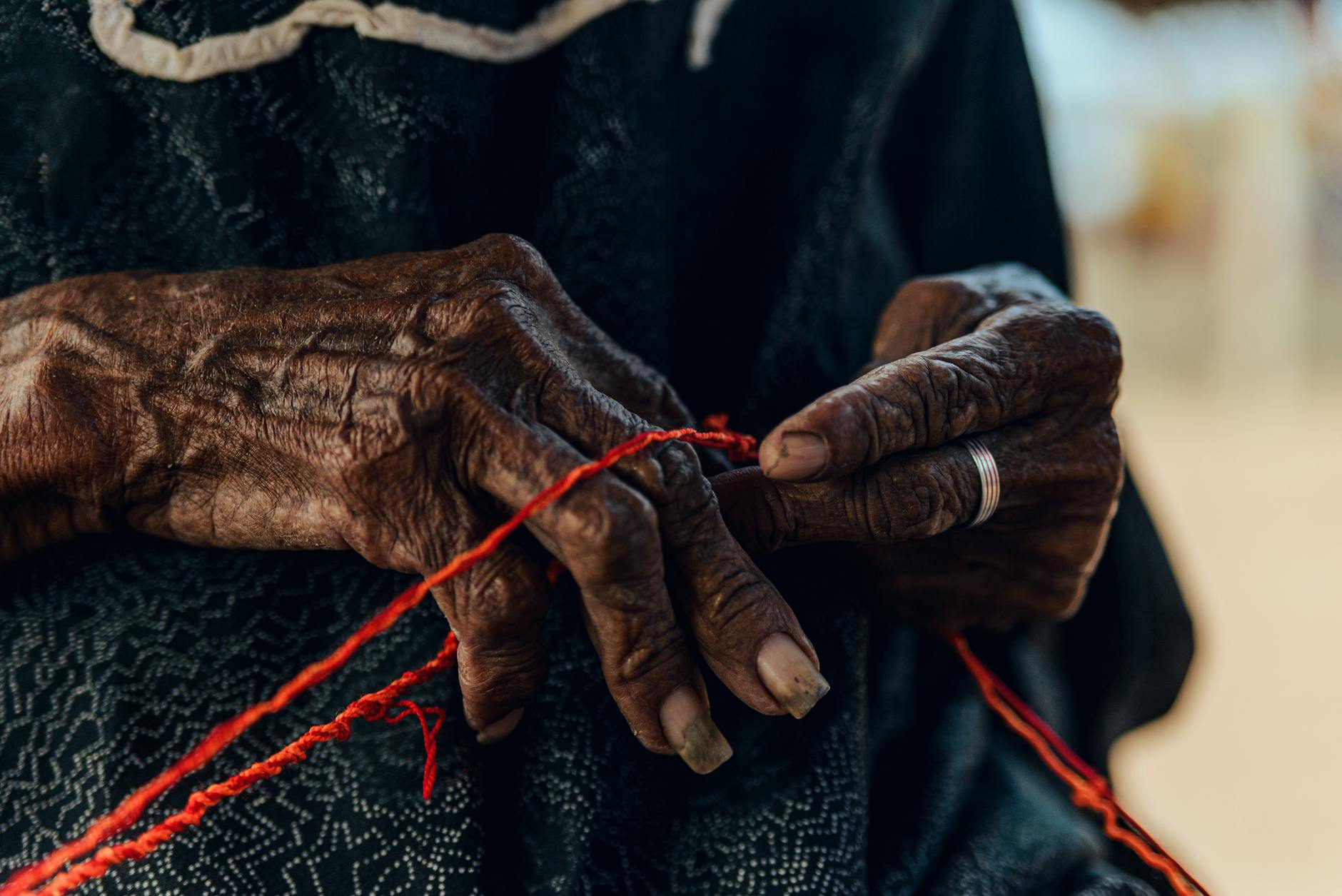
When I ask my clients to open a stiff jar and they pass it back to me with a small, embarrassed laugh, I always tell them the same thing: weak grip is fixable, and it is far more important than most people realise.
I'm Marischa, a NASM-certified personal trainer with a Senior Fitness Specialist focus. Over the years, I have come to think of grip strength a little like a dashboard light. It is not the engine itself, but it tells you something honest about what is happening in the engine. Researchers feel similarly. The often-cited PURE study, published in The Lancet via the BMJ commentary, found that grip strength was a stronger predictor of all-cause mortality than systolic blood pressure in adults over 35. That is a striking finding, and it has been replicated in plenty of follow-up work since. It does not mean your handshake decides your future. It does mean that the muscles in your hands and forearms are speaking on behalf of muscles all over your body.
This post is a calm look at why grip matters after 60, what counts as 'low' for women in our age range, and five simple exercises that genuinely help. As ever, none of this is medical advice; if you have rheumatoid arthritis, recent wrist or shoulder surgery, or significant hand pain, please check with your GP or hand therapist before starting.
Why Grip Strength Predicts So Much
Grip is not really about your hands. The muscles that close your fingers around a glass run all the way up your forearm, and they share neural wiring with your shoulders, your back, and your core. When grip declines, it usually reflects a wider drop in lean muscle mass, which the body steadily loses with age unless we push back. The American Heart Association's guide to strength and resistance training is a readable place to start, and it touches on grip- and forearm-relevant work.
In day-to-day terms, weak grip shows up in small, frustrating ways: a heavy shopping bag that suddenly slips, a difficult car door, a kettle that feels heavier each year. Over time, those small frustrations narrow what you do. People stop carrying things. They stop cooking from scratch because chopping is too tiring. They stop gardening. None of those individual choices look dramatic, but they add up to less activity, less strength, and (research suggests) faster physical ageing.
The good news is that grip is one of the most responsive things you can train. Hand and forearm muscles respond well to even short, gentle sessions, and the gains transfer beautifully to real life.
What Counts as a 'Healthy' Grip for Women Over 60?
Clinical thresholds vary, but a common rule of thumb is that a sustained grip below roughly 20 kilograms in women over 65, measured with a hand dynamometer, is considered low. The exact cut-off depends on the reference population, and absolute numbers matter less than the trend. If you can buy a small dynamometer (they are around twenty pounds online), test once and again three months later. The direction is what counts.
If testing feels fussy, use a real-world proxy. Can you carry a 4-litre water container in each hand from the car to the kitchen without setting it down? Can you wring out a kitchen towel firmly? Can you open a new jar of jam without tools? These three together tell you most of what a clinic test would.
The NHS strength and flexibility pages include practical hand- and grip-relevant exercises worth a look if you want a clinical perspective. Their core message is reassuring: most adults respond to consistent, low-load training within four to eight weeks.
Five Gentle Exercises That Build Grip
Do these three or four times a week. Each session can be as short as ten minutes. Stop any movement that produces sharp pain in the wrist or thumb base; tenderness that fades within an hour of finishing is normal, especially in the first fortnight.
1. Towel Wring
Roll up a damp kitchen towel. Holding it at both ends, twist your hands in opposite directions as if wringing out water. Hold the squeeze for three seconds, release, repeat for one minute. Switch the direction of the wring halfway through.
This trains all four grip patterns (crush, support, pinch, and the rotational forearm work) at once. It is also a brilliant warm-up for the rest of the list.
2. Tennis-Ball Squeeze
Use a soft tennis ball, a stress ball, or a folded sock if you do not have either. Squeeze for two seconds, release fully, and repeat fifteen times per hand. Two to three rounds is plenty.
Full release matters as much as the squeeze. The forearm muscles work in pairs, and giving the openers their share keeps the wrist comfortable.
3. Carry-and-Walk
Fill two shopping bags with tinned food (start at about 2 kilograms each). Walk slowly around the house for thirty seconds, set them down for thirty seconds, repeat for four to five rounds.
This is a 'farmer's carry' in everyday clothing. It is one of the highest-return exercises in any senior fitness toolkit because it builds grip, posture, and core stability in a single, dignified movement.
4. Finger Lifts
Place your hand flat on a table, palm down. Lift each finger one at a time, keeping the others lightly pressed down. Five lifts per finger per hand.
This trains the small, often-neglected extensor muscles. It also helps maintain the fine motor control we use for buttons, zips, and writing. The NHS hand and wrist exercises page has a similar set with helpful illustrations.
5. Light Dead Hangs (only if your shoulders are happy)
Stand on a sturdy step underneath a horizontal bar (a doorway pull-up bar works) and rest your hands on it as if you are about to hang. Take a small amount of weight through your arms for five seconds, no more, then step up again. Repeat five times.
If shoulders are stiff or painful, skip this and add an extra round of the carry instead. Hanging is fantastic for grip and shoulder health when it suits you, but it is the only exercise on this list with a real safety threshold.
Habits That Quietly Make a Difference
Grip work does not have to live inside a 'workout'. The women who hold on to grip best are usually the ones who have folded it into their normal day. A few practical patterns I notice in their lives:
- They open jars themselves first, only asking for help after a real attempt.
- They carry one bag in each hand rather than slinging both on one arm.
- They knead their own bread, peel their own potatoes, hand-wash a few delicate items.
- They garden often. The combination of digging, weeding, and pulling at the soil is excellent forearm work.
The American Heart Association notes in its piece on hand strength and heart health that consistent low-grade muscular activity through the day is associated with better cardiovascular markers. None of those everyday habits feel like exercise. They count anyway.
When Grip Loss Is a Signal, Not a Plateau
Most grip decline is just under-use, and it reverses with practice. Occasionally, though, a sudden change deserves attention. Talk to your GP if you notice any of the following:
- A clear difference between your two hands that has appeared recently.
- Numbness, tingling, or pins-and-needles in fingers, especially overnight.
- Pain at the base of the thumb when pinching, which can suggest CMC arthritis.
- A grip that has dropped sharply over a few weeks rather than gradually.
These are not emergencies, but they can point to nerve compression, early arthritis, or a small tendon issue, all of which respond best when caught early.
What to Expect Over the First Two Months
For most of the women I coach, the change in grip arrives in this kind of order:
- Weeks 1 to 2. The hands feel a little tired after sessions. Jars and bottles still feel difficult, but you might notice you can hold the kettle for slightly longer.
- Weeks 3 to 5. Carrying a 4-litre water in each hand from the car becomes a non-event. Wringing out a towel feels firmer.
- Weeks 6 to 8. Most clients can open standard jars without tools, and many find their handwriting feels less wobbly toward the end of long entries.
If you also do some of the work in our piece on strength training after 60, you will see the gains arrive faster. Grip work and full-body strength reinforce each other.
A Quiet Word to End On
Nobody talks about grip strength at dinner parties. It is not glamorous. But it is one of the kindest, cheapest, most independence-preserving things you can train, and it asks for very little in return. Ten minutes a few times a week, a soft ball you already own, a wet kitchen towel. That is the whole investment.
The women I have worked with who decided, in their late sixties, that they wanted to stay capable, almost always started with their hands. That is rarely an accident. The hands lead the way, and the rest of the body tends to follow.