How Much Protein Do Women Over 60 Really Need?
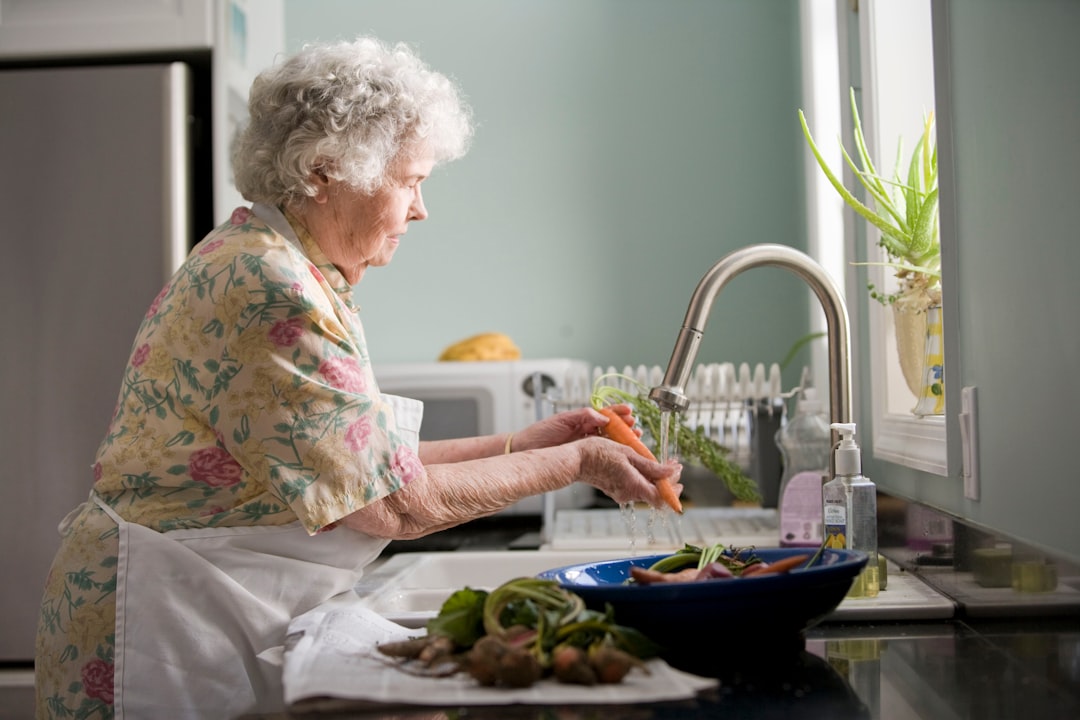
If I could change one thing about how the women I work with eat, it would be this: get more protein.
Not exotic protein powders, not expensive cuts of meat — just more protein at more meals. The reason matters. After 50, women's bodies become increasingly resistant to the signal that builds muscle, a phenomenon scientists call anabolic resistance. It means the same amount of protein that worked fine in your 30s simply doesn't do the same job anymore. Combine that with a natural decline of roughly 1% muscle mass per year past the age of 50, and you have a recipe for frailty if you eat as if your body hasn't changed.
I'm Marischa, a NASM-certified personal trainer who specialises in senior fitness. This is the question I get asked more than almost any other: how much protein do I actually need? Here's the honest, practical answer.
The Quick Number
Guidance from Harvard Health and confirmed in position statements from the American College of Sports Medicine suggests older adults benefit from 1.2 to 1.6 grams of protein per kilogram of body weight per day, considerably more than the RDA of 0.8 g/kg, which was set decades ago based on young-adult research.
In pounds, that's roughly 0.6 to 0.8 grams per pound of body weight.
For a 70 kg (154 lb) woman, that's 84 to 112 grams of protein per day. Most women I meet are getting 40 to 60 grams. That gap is enormous.
Why the Number Is Higher Than You Think
Three shifts happen after menopause:
- Anabolic resistance. Older muscle needs a bigger protein dose to trigger muscle-protein synthesis. A young adult makes muscle well with 15–20 g of protein per meal; older adults often need 25–30 g per meal to get the same signal.
- Less efficient digestion. Stomach acid declines, making protein digestion slightly less efficient.
- Reduced appetite. Many women over 60 simply eat less total food, so even "normal-ish" eating delivers less total protein.
The National Institute on Aging explicitly warns about the combination of inadequate protein and insufficient strength training as the main driver of frailty in older women. Fix both, and you change the trajectory.
The Meal-Distribution Point (This Matters)
Getting 90 grams of protein in one evening meal is not the same as getting 30 grams at each of three meals. Because of anabolic resistance, the muscle-building signal is time-limited. Spreading protein across the day, roughly 25–30 g per meal — is dramatically more effective than front-loading or back-loading.
I cannot overstate how many women I meet who have a piece of toast for breakfast (3 g protein), a small salad for lunch (6 g), and chicken for dinner (50 g). Technically they hit "enough" protein. But their muscles got essentially one meaningful dose all day.
What 30 Grams of Protein Actually Looks Like
This is where it gets practical.
Breakfast options (aim for 25–30 g)
- 2 eggs (12 g) + 150 g Greek yogurt (15 g) = 27 g
- 1 cup cottage cheese (25 g) + handful of nuts (5 g) = 30 g
- 2 eggs + 1 slice wholemeal toast + 30 g cheese (about 7 g) = 26 g
- Porridge made with milk (200 ml = 7 g) + 2 tbsp protein powder (20 g) + berries = 27 g
Lunch options
- Tin of tuna (25 g) on salad with boiled egg (6 g) = 31 g
- 150 g chicken breast (35 g) in a sandwich = 35 g+
- Lentil soup (150 g lentils = 14 g) + 50 g cheese (12 g) = 26 g
Dinner options
- 120 g salmon (25 g) + vegetables + small potato = 27 g
- 100 g lean mince in a bolognese (25 g) + pasta = 28 g
- 150 g tofu (15 g) + cashews (5 g) + edamame (10 g) stir-fry = 30 g
Snack options (aim for 10–15 g if hungry)
- Greek yogurt pot (10–15 g)
- 30 g cheese + apple (7–8 g)
- Hard-boiled egg + a handful of almonds (9 g)
Animal vs Plant Protein
Animal proteins (meat, fish, dairy, eggs) are "complete". They contain all nine essential amino acids in roughly the right ratios. Plant proteins (beans, lentils, tofu, nuts, whole grains) are excellent but most individual sources are incomplete; variety across the day easily solves this. Vegetarian and vegan women over 60 need to be a bit more deliberate, aiming for the higher end of the 1.2–1.6 g/kg range, and including protein at every meal.
What About Kidneys and "Too Much" Protein?
This is the question I get from every woman who's read a magazine article in the 1990s. Honest answer: in women with healthy kidneys, there is no credible evidence that intakes up to 1.6 g/kg per day cause kidney harm. The Harvard Health library has a thorough piece on this. If you have existing kidney disease, talk to your specialist — your protein target may be different.
Protein, Muscle, and Bone
Eating protein without strength training is like buying bricks and never building the wall. You need both. Strength training provides the stimulus that tells your muscles to rebuild; protein provides the raw material. Skip either and you don't get the outcome.
If you haven't started strength training yet, please read strength training after 60: everything you need to know. It pairs directly with this article.
Practical Strategies for Getting More
Concrete tactics I use with clients:
- Add Greek yogurt to breakfast every day. Easiest 15 g you'll find.
- Keep cottage cheese, eggs, tinned fish, and nuts on constant rotation. They're cheap and fast.
- Treat protein as the first thing on the plate, not the garnish. Plan the meal around it.
- Consider a single daily protein shake if you struggle to hit your target from food alone. Whey, pea, or collagen all work: pick whatever tastes good.
- Weigh it for a week. Most women underestimate how little 100 g of chicken really is.
My Honest Take
If there's one nutritional change I wish every woman over 60 would make, it's this: add 20 to 40 grams of protein a day, spread across meals. Pair it with strength training and regular walking. In three months, the downstream effects on energy, strength, posture, and confidence are usually obvious.
You don't need to track every gram forever. You do need to care about it now.
For a structured plan that combines nutrition basics with progressive strength work, see our exercise guide or make a free account. Your muscles are listening for the signal. Give it to them.