Magnesium and Night Cramps in Women Over 60: What Helps
There is a particular flavour of pain that wakes women in their sixties and seventies at 3 AM and turns the next twenty minutes into a slow, careful unwinding of a knotted calf. If you know that pain, you also know how strangely persistent the cultural advice around it is. Eat a banana. Drink tonic water. Take magnesium. Some of this is partially true, some of it is overstated, and one of the most useful things to do is rarely mentioned at all.
I'm Marischa, a NASM-certified personal trainer specialising in women over sixty. I am not a clinician, and night cramps are an area where the research is genuinely interesting and not entirely settled. This article tries to lay out what the evidence does and does not support, what tends to help in practice, and when a GP visit is the better step. As always, this is general guidance, not medical advice; persistent or worsening cramps deserve a proper medical conversation.
Why Cramps Happen
A muscle cramp is an involuntary, sustained contraction of a muscle. They mostly happen in the calf, sometimes the foot, occasionally the thigh. The honest answer to 'why' is: we don't fully know. The leading theories have shifted over the last decade.
The older theory, dehydration and electrolyte imbalance, has surprisingly thin support for nocturnal cramps in older adults. Plasma sodium and potassium levels do not consistently differ between people who cramp at night and those who do not. The newer theory, neuromuscular over-excitability (essentially, motor neurons firing the muscle when they should not), has more support and is consistent with why stretching helps and why some medications (such as quinine, with its now-restricted use) can ease cramps.
A few honest contributors that show up in research:
- Reduced muscle length from sitting all day.
- Older calves with shorter resting fibre length.
- Some medications, especially statins, diuretics, and certain blood pressure drugs.
- Pregnancy (not relevant here, but historically the largest research population).
- Mineral deficiencies (less common than once thought, but possible, particularly low magnesium in women on long-term proton pump inhibitors or diuretics).
The NHS leg cramps overview is a calm, careful summary of when home self-care is enough and when a GP check is sensible.
What the Evidence Suggests Genuinely Helps
Three interventions have the most consistent support, and a few have less than you might expect.
1. Daily Calf Stretching
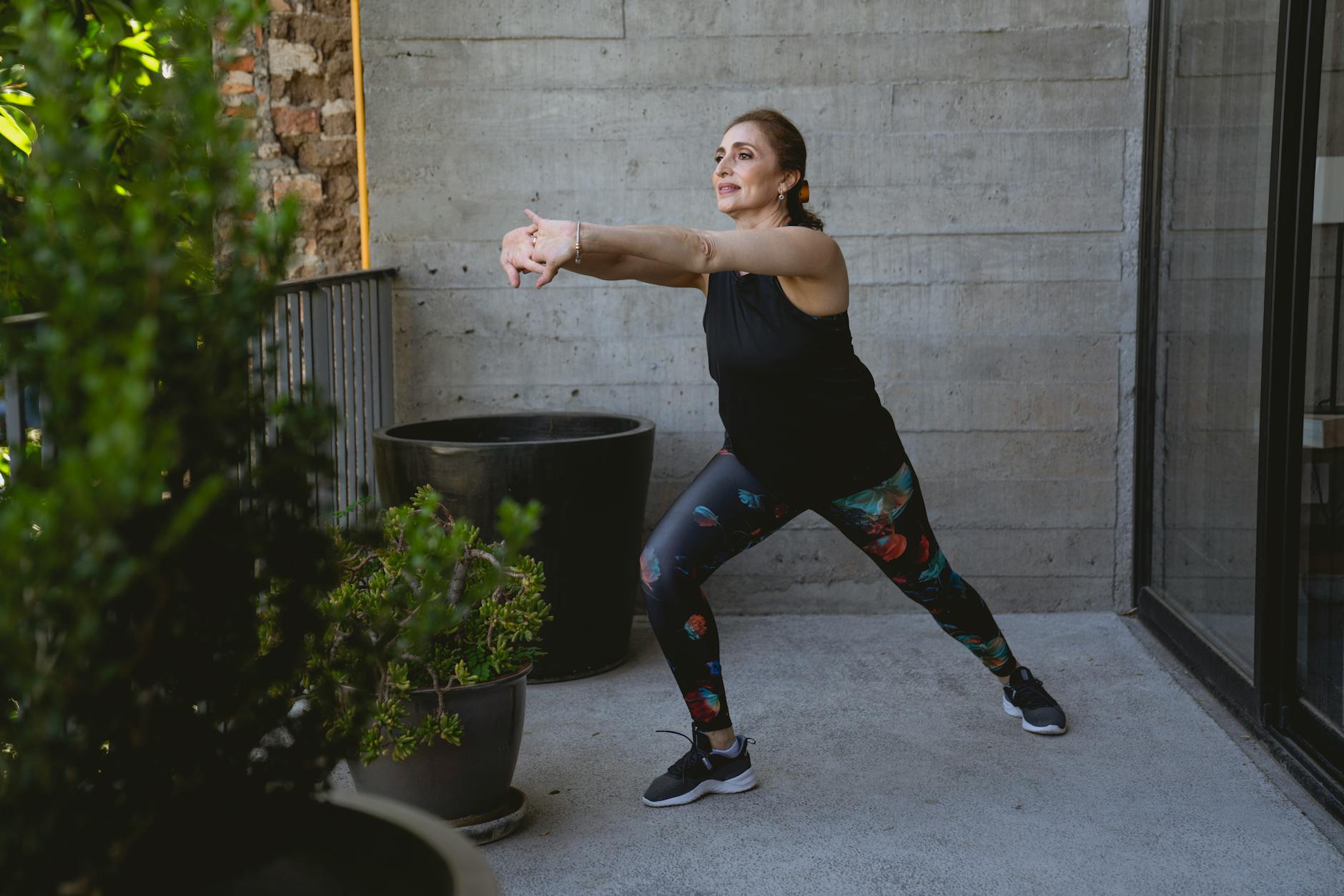
This is the most useful and least talked-about intervention. A small randomised trial (the original 'Hallegraeff stretching' study and several replications) suggests that 6 weeks of daily calf stretching reduces the frequency and severity of nocturnal cramps in older adults. The protocol is simple: three calf stretches, 10 seconds each, three times a day, with the last set immediately before bed.
In my coaching work, this is by some distance the most reliable intervention I see. Many women come back after a fortnight reporting half as many cramps. The Versus Arthritis page on cramp and stretching describes a similar evening stretching pattern.
2. Hydration, Particularly During the Day
The research support for hydration alone is mixed for cramps specifically, but adequate fluid intake helps several adjacent issues (constipation, blood pressure regulation, sleep quality) and likely does small good. We covered this in detail in how much water women over 60 actually need.
A practical pattern: aim for most of your daily fluid intake before 6 PM, with a small glass an hour before bed.
3. Reviewing Medications With Your GP
If cramps started or worsened after a medication change, especially diuretics, statins, or proton pump inhibitors, a conversation with your GP is well worth booking. Sometimes a small adjustment of timing or dosage makes a noticeable difference.
What About Magnesium?
This is the most popular and most disappointing item on the list. The Cochrane systematic review on magnesium for skeletal muscle cramps, available at Cochrane Library, concluded that magnesium supplementation does not significantly reduce the frequency or severity of cramps in older adults, with low-quality evidence even for the small effects observed. This is one of the strongest pieces of evidence in the cramp literature, and the most counter-intuitive.
This does not mean magnesium is useless. Magnesium has well-established roles in bone health, heart rhythm, and sleep architecture, and a daily intake at the recommended level matters. But the popular pitch (take a magnesium tablet and your cramps will go away) is not supported by the cleanest trials.
The NIH Office of Dietary Supplements magnesium fact sheet is the best free resource I know on what magnesium does and does not do, with realistic intake targets (around 320 mg per day for women over thirty).
A reasonable position, in plain English: cover your magnesium needs through food (leafy greens, nuts, seeds, whole grains, dark chocolate, beans), and do not pin all your hopes on a tablet. If you take a supplement, modest doses (under 350 mg of supplemental magnesium daily) are well tolerated; higher doses can cause loose stools.
What About Bananas, Pickle Juice, and Tonic Water?
A quick honest tour:
- Bananas (potassium). Most older women with night cramps have normal potassium. A banana a day is good for many reasons, but it is unlikely to be the cure for cramps.
- Pickle juice. A surprising 2010 study suggested that pickle juice can stop a cramp within 90 seconds, faster than the time it takes the salt to be absorbed. The hypothesis is a reflex through the throat that calms the cramping motor neuron. The effect is real for active cramps but does not prevent future ones.
- Tonic water (quinine). Modern tonic water has trace quinine; not enough to be effective. Therapeutic-dose quinine has well-documented serious side effects and is now reserved for specific medical indications.
- Stretching the cramping calf during the cramp. This is the most reliable thing you can do in the moment. Pull the toes of the cramping leg toward your nose, gently and steadily, until the cramp eases.
The Practical Pattern I Suggest
If cramps are bothering you, here is what I would try first, in order:
- 14 days of three-times-a-day calf stretching, with the last set right before bed.
- A glass of water with the evening meal (and another one hour before bed if you are not already).
- A check-in on dietary magnesium: are you eating leafy greens, nuts, seeds, beans, or whole grains most days? If not, add some.
- A review of any new medications with your GP, including any over-the-counter supplements.
- If cramps continue to disturb sleep regularly after a month of the above, book a routine GP appointment.
The Mayo Clinic muscle cramps guide lists similar steps and adds detail on when imaging or further investigation might be warranted.
When Cramps Are a Signal Worth Taking Seriously
Most cramps are benign. A few patterns deserve a same-week GP appointment:
- Cramps with significant calf swelling in one leg (rule out blood clot).
- Cramps with new weakness in the affected leg.
- Cramps that occur with walking and ease on rest (could be peripheral artery disease rather than cramping).
- Cramps with significant unexplained weight loss or other systemic symptoms.
- Cramps in someone with chronic kidney disease, chronic alcohol use, or recent severe diarrhoea.
In older adults, persistent disturbed sleep itself is a reason to ask. Sleep loss in our age group has serious downstream effects on balance, mood, and metabolic health.
A Closing Thought
Cramps are easy to dismiss as 'just one of those things' that come with age. The frustrating truth is that they often respond well to a simple, slightly boring intervention (daily stretching) that almost no-one tries for long enough to see the result. Two minutes morning, midday, and bedtime, for two weeks: that is the whole experiment. The magnesium tablet is the more glamorous answer; the stretching is the one with the better evidence.
As ever, this article is general guidance. Your particular cramping pattern may be specific to your medications, your hydration, or something else worth a doctor's eye. But for the great majority of older women I have worked with, the boring intervention is the one that quietly fixes the problem within a fortnight. Sometimes the boring answer is also the right one.