Swimming and Water Exercise After 60: Why It Works So Well
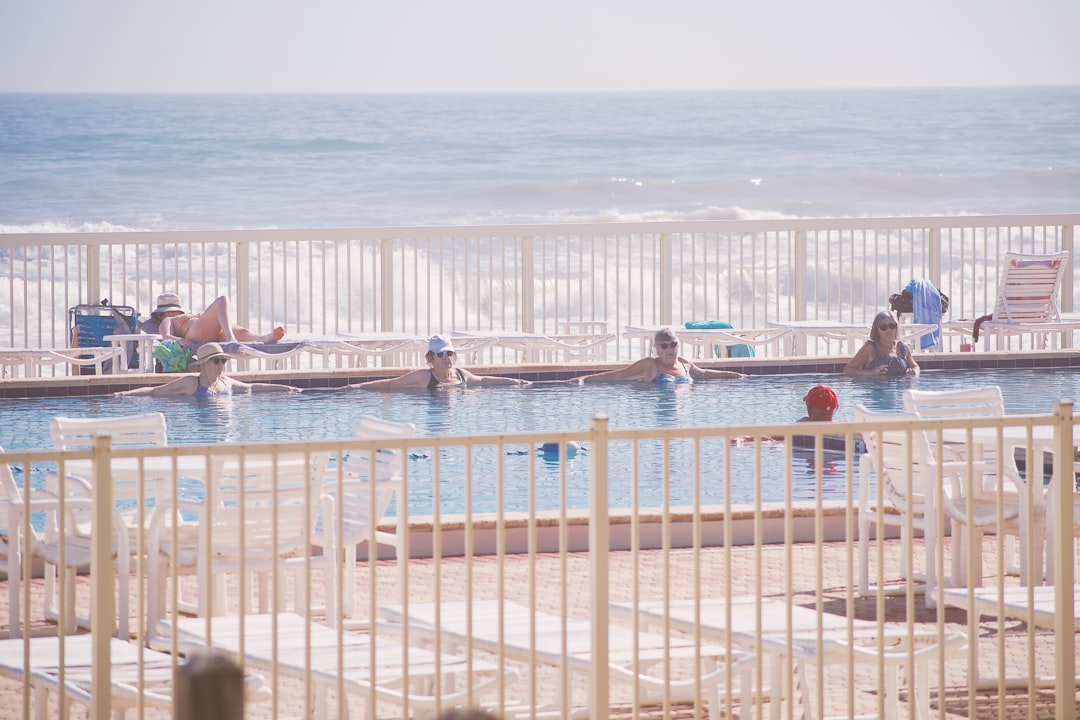
There is a reason every physiotherapy department I have ever visited has a small pool tucked away somewhere. Water is one of the most forgiving environments a stiff, sore, or simply older body can move in. It removes most of your weight, slows movements gently, and warms tight muscles within a few minutes of getting in. For women over 60, swimming and water exercise sit comfortably in the 'almost certainly a good idea' category for the great majority.
I'm Marischa, a NASM-certified personal trainer specialising in women over sixty. This is a friendly walk-through of why water works so well, what kind of pool to look for, and how to start whether you are an old-hand swimmer or someone who has not been near a pool since school.
Why Water Suits the Over-60 Body
A few simple reasons swimming and water exercise punch above their weight in our age group:
- Buoyancy reduces joint load. Submerged to the chest, you carry roughly 25 to 30 percent of your body weight; submerged to the neck, around 10 percent. That is a remarkable amount of relief for tender knees, sore hips, or a tired lower back.
- Water resistance trains muscle without impact. Pushing a leg through water meets gentle, even resistance from every direction, which builds strength without the spike of a weight or the jolt of a step.
- The chest and lungs work pleasantly. The slight pressure of water on the chest gently encourages deeper breathing, which over weeks tends to improve respiratory efficiency.
- Falls are very unlikely. For someone whose confidence on land has been shaken, the pool is a place where any balance wobbles are far less likely to result in injury.
- Hot summer kindness. A pool at 28 to 30°C is a comfortable place to be on a 32°C afternoon.
The CDC's arthritis overview explains why low-impact activity is recommended for joint conditions.
What the Research Suggests
For women over 60, the published evidence on aquatic exercise is genuinely positive across several outcomes:
- Knee osteoarthritis pain. Multiple trials and a Cochrane review suggest that aquatic exercise reduces knee pain and improves function, with effects similar to land-based programmes but with significantly fewer adverse events.
- Balance and falls. Twelve-week aquatic programmes have produced measurable improvements in balance scores in older adults, with carryover to land function. A 2021 review summarised in PubMed reports consistent improvements across studies.
- Cardiometabolic markers. Modest improvements in resting blood pressure and insulin sensitivity, especially in twice-weekly programmes lasting more than eight weeks.
- Mental wellbeing. Several smaller studies report reductions in self-rated anxiety and improvements in sleep quality, particularly when classes have a social element.
These findings are not magic. They are the kind of consistent, modest benefits that, accumulated over years, change how the body moves in old age.
Choosing the Right Kind of Pool
Not all pools suit older adults equally. The two main considerations are:
- Water temperature. Lap-swimmer pools tend to be 26 to 28°C. Hydrotherapy or 'older adults' pools' are warmer, often 30 to 33°C, which is far more comfortable for arthritic joints. Most public leisure centres in the UK and many in the US publish water temperatures by session.
- Access into the water. Steps with handrails are kindest. Vertical ladders are the hardest entry; if balance is shaky, ladders are best avoided. Many pools also have a chair-lift or a sloped entry; do not be shy about asking.
If you have rheumatoid arthritis, severe osteoarthritis, fibromyalgia, or chronic back pain, look specifically for 'warm-water' or 'hydrotherapy' sessions. The temperature difference is more than incidental; pain often eases dramatically in 32°C water that does not eease at all in 27°C water.
Three Easy Ways to Start
Depending on confidence and goals:
1. Aqua Fitness Classes
A group class with a teacher on the poolside, music, and a sequence of standing or shallow-water exercises. No swimming skill required. Good aqua fitness classes for older adults usually run 30 to 45 minutes and include warm-up, conditioning, and a gentle cool-down. Aqua-fitness classes typically combine cardio, strength, and mobility work without joint impact, which is why hospital rehabilitation programmes use them so often. Most public pools run them several times a week.
2. Walking and Light Drills in Chest-Deep Water
No class, no skill, no goggles. Walk forward across the shallow end for one width, walk backwards for one, walk sideways for one. Repeat four or five times. Add slow, controlled lifts of one knee on every step, then a side leg-lift. Twenty minutes is plenty. This is the entry point I recommend for women who have not been in a pool for years and want to test the waters before joining anything.
3. Lap Swimming
If you can swim, a 20 to 30 minute easy swim two or three times a week is one of the most complete forms of cardiovascular and muscular conditioning available at our age. Most pools have an adult-only or 'older adults' lane swim time; this is the friendlier window.
If your front-crawl style is hard work on the neck or shoulders, the NHS swimming guide is worth reading; it covers technique adjustments and stroke variations specifically for older adults.
Practical Tips That Save First Visits
- Keep a small bag at the door. Goggles, swimming hat (if pool requires), simple swimsuit, towel, flip-flops, a 1-litre water bottle. The fewer decisions you make on the morning, the more reliable the habit.
- Aim for the quieter sessions. Most public pools have a clear daytime midweek lull which is heaven for adult swimmers.
- Consider lessons even if you can swim. A few private adult lessons can fix shoulder strain and breathing rhythm at almost any age. Many UK leisure centres run dedicated adult swimming lessons; it is worth asking at reception.
- Hydrate. It is easy to forget that swimming is sweaty work. A glass of water before and after is sensible.
- Don't skip the rinse. Chlorine on dry skin causes more discomfort than the swim ever did. A quick rinse and a small amount of moisturiser afterwards keeps things comfortable.
Joint Pain and Water Exercise: A Calmer Look
For most knee, hip, and lower-back pain, water exercise is among the safer activities, often actively recommended by physiotherapists. Two specific points to know:
- A warm pool tends to ease pain almost immediately. A cool pool can briefly increase stiffness in the first five minutes; warm up gently rather than jumping into vigorous movement.
- Pain that worsens over the course of a session, rather than easing, deserves a chat with your GP or a chartered physiotherapist. It is the exception, but it does happen.
We covered the broader picture of joint-friendly cardio in our recent piece on why low-impact exercise matters for older adults. Water belongs at the top of that list.
Who Should Be Cautious
Water exercise is gentle, but a few situations warrant a quick GP conversation first:
- Open wounds or recent skin infections.
- Severe ear conditions or recent ear surgery.
- Uncontrolled epilepsy or recent seizures, where solo swimming is risky.
- Severe COPD where hot, humid pool air is uncomfortable.
- Incontinence concerns; modern aquatic-suitable pads exist and are commonly used.
None of these are absolute reasons to avoid pools, but they shift the conversation from 'just go' to 'go with a plan'.
A Closing Thought
The women I have coached who add a single weekly swim or aquafit class to their routine almost always describe a small, particular kind of relief. Joints feel quieter for the day. Sleep that night is unusually good. The body, surrounded by warm water for forty minutes, remembers what it is to move without resistance fighting back.
If the rest of your routine is land-based (walking, gentle strength, the occasional yoga class), one swim a week is a remarkably efficient addition. If land exercise has become difficult because of joint pain, the pool may well be the place where regular movement becomes possible again. Either way, it is hard to overestimate how kindly water treats a 60-plus body. The ticket price for an hour of pool time is the only meaningful barrier, and most leisure centres offer concession rates that make it modest.
The pool, gently and quietly, is one of the most generous places we own.