Cooling Down After 60: The Five Minutes That Make Tomorrow Easier
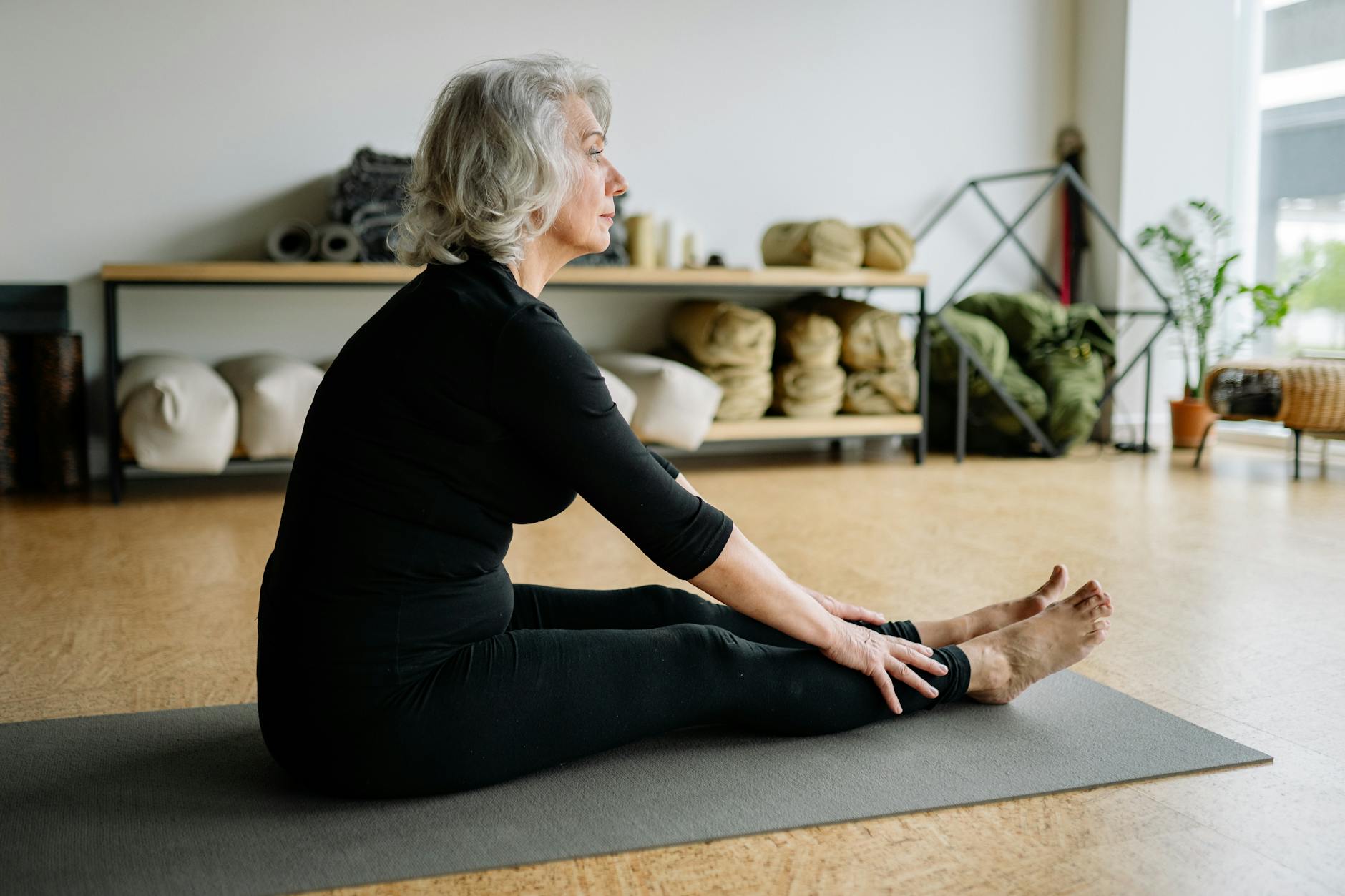
When I started teaching seniors fitness classes, the cool-down was something the old textbooks treated as polite housekeeping: a few static stretches at the end, mostly to bring everyone's heart rate down before they drove home. The science around recovery has matured a great deal since then, and one of the consistent findings is that the cool-down matters more, not less, as we age.
I'm Marischa, a NASM-certified personal trainer with a focus on women over sixty. The cool-down is one of the easiest places to add long-term value to a workout, and it is also the first thing rushed clients drop when life is busy. This article is a calm case for keeping it, and a five-minute routine that earns its place several times over.
Why a Cool-Down Helps More After 60
Three specific things matter:
- Heart rate and blood pressure return to baseline more slowly. Stopping suddenly after a brisk session can lead to a temporary drop in blood pressure (and a small but real risk of dizziness) in older adults. A gradual cool-down keeps blood circulating evenly.
- Connective tissue takes longer to settle. Muscles, tendons, and fascia all become a little less elastic with age, and they appreciate a few minutes of gentle, sustained stretching while still warm.
- The nervous system shifts from 'work' to 'rest' more reluctantly. A small parasympathetic nudge (slow breathing, gentle movement) is a measurable help to sleep quality the same night.
The NHS exercise pages summarise the broader case well, alongside the Mayo Clinic article above. A 2018 review in PubMed on the physiology of post-exercise recovery goes into more detail and is worth a glance for anyone who likes the science.
What 'Recovery' Actually Means
Recovery is not just rest. It is the active process by which the body returns to baseline after exertion: heart rate slows, breathing returns to normal, body temperature drops, blood flow redistributes, and the nervous system shifts gear. After sixty, each of those processes is slightly slower than it used to be, which is part of why a workout that felt small at fifty can feel surprisingly tiring a decade later.
A proper cool-down speeds the early phases of this process. The deeper recovery (muscle protein synthesis, connective-tissue remodelling, glycogen replenishment) happens over the following 24 to 48 hours and is influenced more by sleep, hydration, and nutrition than by anything you do at the end of the workout. We have looked at sleep and exercise in our piece on how exercise improves sleep with age and at hydration in how much water women over 60 actually need; these matter at least as much as the cool-down itself.
A Five-Minute Cool-Down That Suits Almost Any Session
This routine works after a walk, an aquafit class, a strength session, or a yoga class. It assumes you finish in a relatively warm state.
Minute 1: Slow Walk or Sway
If you have just walked or cycled, slow to a stroll for sixty seconds. If you have just done a strength session, walk gently around the room. The point is to keep blood circulating while heart rate drifts down.
Minute 2: Long Calf Stretch (30 seconds per side)
Stand facing a wall, hands at shoulder height. Step one foot back, keeping that heel on the floor and the back leg straight. Hold for 30 seconds. Switch.
Calves take a surprising amount of load in walking, climbing stairs, and even standing, and they tighten faster after sixty than almost any other muscle group.
Minute 3: Standing Quad and Hip Flexor (30 seconds per side)
Stand near a counter. Bend one knee and gently pull the heel toward your bottom (or rest the foot on a low surface behind you if balance is the bigger limit). Tuck your tailbone slightly under. You should feel a stretch through the front of the thigh and hip. 30 seconds. Switch.
Minute 4: Seated Side-Bend and Forward Fold (30 seconds each)
Sit on a chair with your feet flat. Reach the right arm overhead and lean gently to the left for 30 seconds. Then place both hands on the thighs and hinge slowly forward from the hips for 30 seconds, letting the upper back round.
This pair calms the side body, which gets quietly tight from carrying bags and turning to look behind us.
Minute 5: Slow Breathing
Sit upright, hands resting in your lap. Breathe in slowly through the nose for a count of four, out through the mouth for a count of six. Five rounds.
This is the parasympathetic nudge. It takes one minute and reliably steadies heart rate by another five to ten beats per minute. It also seems to be the part most clients actively look forward to once it becomes a habit.
Adapting for Different Workouts
- After a strength session: add 30 seconds per side of a chest stretch in a doorway (gently push the wall with one forearm, turn the body away). Strength sessions tighten the front of the body more than walking does.
- After yoga or pilates: the cool-down is often baked in already. Just add the breathing minute at the end.
- After cycling: add a hip flexor stretch on each side; cycling shortens the front of the hip predictably.
- After swimming: add 30 seconds of gentle shoulder circles; swimmers' shoulders tend to feel pleased about it.
The Mayo Clinic exercise warm-up and cool-down article has a sensible set of variations, and the NHS physical activity guidelines for older adults is a calm, evidence-based reference for the broader picture.
What Cool-Down Will Not Do
Worth being honest. A cool-down does not:
- Prevent muscle soreness reliably. Light delayed-onset muscle soreness (DOMS) can occur whether you cool down or not. The cool-down may slightly reduce its severity in some studies and not in others.
- Replace sleep. Most of the meaningful recovery happens overnight, and a routine that ends late and disrupts sleep does more damage than the cool-down repairs.
- Replace nutrition. After a strength session, a small protein-rich meal or snack within an hour helps muscle repair more than any stretch ever could; we covered the protein side in how much protein do women over 60 need.
- Compensate for a session that was too hard. If a workout pushed you well past comfortable, the issue is the workout, not the cool-down.
A cool-down does, however, leave most older bodies feeling noticeably less stiff the next morning. That is a real and worthwhile reward for five minutes.
Recovery Practices Beyond the Cool-Down
For women over sixty, three habits do more for recovery than any clever stretch:
- Sleep, prioritised. Seven to eight hours, regularly. The single biggest recovery lever in any age group, and even more so in ours. The NHS sleep tips for older adults are a calm, practical start.
- A little protein at every meal. Spreading protein across breakfast, lunch, and dinner protects muscle better than concentrating it in one meal.
- A 'recovery walk' the day after a tougher session. Twenty minutes at a relaxed pace, not training, just gentle movement to keep the system moving.
These sound simple because they are. They also outperform any single supplement, gadget, or fancy recovery routine I have seen marketed to older adults.
A Closing Thought
The cool-down is the unglamorous final five minutes of a workout, and it is the part most likely to be skipped when life is busy. After sixty, those five minutes are doing more than they did at thirty: keeping blood pressure steady as you stop, lengthening tissue that no longer rebounds on its own, calming a nervous system that does not switch gear quite as quickly as it once did.
If you do nothing else after a session, do the slow walk, the calf stretch, the side bend, and the five rounds of slow breathing. Five minutes, every workout. Tomorrow morning will feel different, and the difference will be small but real, and the small but real difference, repeated for a decade, is what good ageing actually looks like.