A 10-Minute Morning Stretching Routine to Ease Stiffness in Retirement
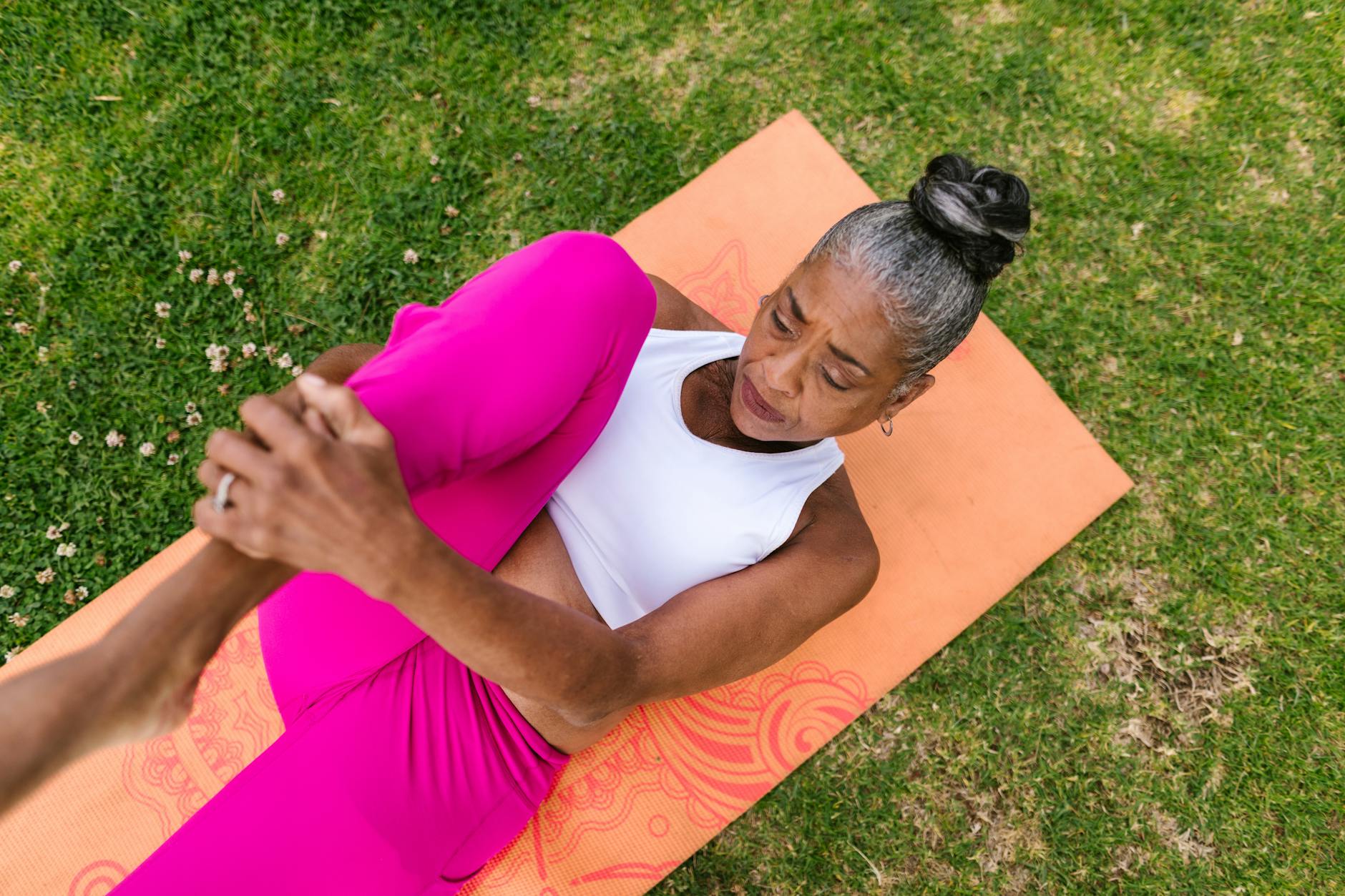
The first ten minutes out of bed shouldn't feel like a wrestling match with your own body. But if you're over 60, they often do. Ankles creak. Hips protest. The lower back needs a minute or two to agree to stand up straight. You're not imagining it — overnight, synovial fluid thickens and muscles cool, so joints genuinely are stiffer in the morning.
Here is what helps: a short, deliberate stretching routine done first thing changes the rest of your day. Marischa here, NASM Certified Personal Trainer, Senior Fitness Specialist, and this is the exact 10-minute flow I give my clients. You can do the whole thing standing or sitting, no floor, no equipment, no effort beyond breathing and moving.
Why Morning Stretching Matters After 60
Guidance from the NHS exercise hub consistently links regular flexibility work in older adults to lower fall risk, reduced joint pain, and better functional mobility. The National Institute on Aging groups flexibility as one of the four pillars of healthy ageing. Ten minutes a day is enough to shift that needle — and it pairs beautifully with any walking or strength work you're doing.
Before You Begin
- Put on socks with grip or go barefoot on a non-slip surface.
- Have a sturdy chair or a wall within reach.
- Drink half a glass of water first. Hydrated tissue stretches better.
- Breathe through each movement. Don't hold your breath.
Every stretch should feel like a gentle pull, never a sharp pain. If something hurts, back off. We wrote a piece on safety tips worth reviewing if you're new to exercise.
The 10-Move Routine (10 Minutes)
1. Neck Rolls (1 minute)
Standing or sitting tall, slowly drop your right ear toward your right shoulder. Hold 15 seconds. Roll your chin gently toward your chest (never roll back. That can pinch cervical joints), then up to the left shoulder. Hold 15 seconds. Repeat the other direction.
Cue: If you feel sharp pain or dizziness, stop. Persistent neck pain deserves a doctor's look.
2. Shoulder Rolls and Shrugs (30 seconds)
Roll both shoulders backward 8 times in big, slow circles. Then forward 8 times. Finish with 5 slow shrugs — lift shoulders toward ears, hold 2 seconds, release all the way down.
This undoes a fair bit of the night-time hunch.
3. Chest Opener (1 minute)
Stand tall. Clasp your hands behind your lower back (or hold a towel between your hands if clasping is uncomfortable). Gently squeeze your shoulder blades together and lift your chest. Hold 20 seconds. Release. Repeat.
Why it helps: your chest muscles are probably tight from sitting, driving, and sleeping on your side. This is the counter-stretch.
4. Standing Side Bend (1 minute)
Feet hip-width apart. Reach your right arm up and over toward the left, feeling a long stretch through your right side. Hold 20 seconds. Switch. Repeat once more each side.
5. Gentle Standing Twist (1 minute)
Feet planted, hands on hips. Slowly rotate your upper body to the right, look over your right shoulder as far as feels comfortable. Hold 10 seconds. Back to centre. Left. Repeat 4 times total.
This wakes up the spine's rotational mobility, something most of us lose gradually without noticing.
6. Standing Hamstring Stretch (1 minute)
Place your right heel on a low step, bench, or the bottom stair. Keep the leg straight (a micro-bend is fine). Hinge forward at your hips — not rounding your back, until you feel a stretch in the back of the right thigh. Hold 20 seconds. Switch.
Tight hamstrings pull on your low back. Loose hamstrings protect it. For more on back care, see exercises for back pain over 60.
7. Calf Stretch (1 minute)
Stand facing a wall, hands on wall. Step your right leg back, heel down, toes pointing forward. Bend your front knee and press your right heel into the floor. Hold 20 seconds. Switch.
Tight calves restrict ankle mobility, which affects balance and walking gait.
8. Standing Quad Stretch (1 minute)
Hold a counter or wall with your left hand. Bend your right knee and catch your right foot (or ankle) with your right hand, drawing the heel gently toward your bottom. Keep knees together. Hold 15 seconds. Switch.
If catching your foot is difficult, loop a towel around your ankle and use the towel instead. Tight quads contribute to knee pain, a theme we explore in how to strengthen knees after 60.
9. Figure-Four Hip Stretch (Seated, 1 minute)
Sit on a sturdy chair. Cross your right ankle over your left thigh (on top of the knee area). Sit tall and gently lean forward, keeping your back straight, until you feel a stretch in the right glute/hip. Hold 20 seconds. Switch.
This is one of the best stretches for the piriformis and deep hip muscles, which are often the real cause of "sciatic" pain in older women.
10. Cat-Cow (Standing, 1 minute)
Stand with hands on thighs, feet hip-width. Inhale: arch your back slightly, chest open (cow). Exhale: round your spine, tuck your chin (cat). Flow slowly 8 times.
This is the perfect finisher — a spinal wave that puts everything else you've done to work.
Finish: Three Deep Breaths
Stand tall, arms at your sides. Inhale through your nose for 4 counts, exhale for 6. Do this three times. You're done.
How to Make It Stick
Most clients tell me they fall off a routine because it's "too much, too cold, too early." Some honest tips:
- Do it before you shower. The warm water makes a perfect reward.
- Stretch in your dressing gown, by your bed: not in a gym-like setting.
- Keep expectations low. Missed one day? Just do the next. No catching up needed.
What Stretching Won't Do
Stretching alone doesn't build strength or improve cardiovascular fitness. It complements, not replaces, those. If you only stretch, you'll feel looser, but you won't protect muscle or bone. Pair this routine with a couple of short strength sessions a week (our guide on strength training after 60 is a starting point) and a daily walking habit.
When to See Someone
If you have morning stiffness that lasts longer than an hour for more than a few weeks, or if any stretch produces sharp, specific pain, please see your GP. Some forms of arthritis (like rheumatoid) present as prolonged morning stiffness and benefit from earlier intervention.
My Opinionated Take
This is the most underrated 10 minutes in most women's days. It's not exercise, exactly. It's maintenance. Cars need oil changes. Joints need this. Do it tomorrow morning. Then do it the morning after.
For video-led versions, see our exercise guide, or join for free to track your streak. Your 8 a.m. self will thank your 7:50 self.